
Can Magnesium-Rich Foods Help You Sleep Without Magnesium Glycinate?
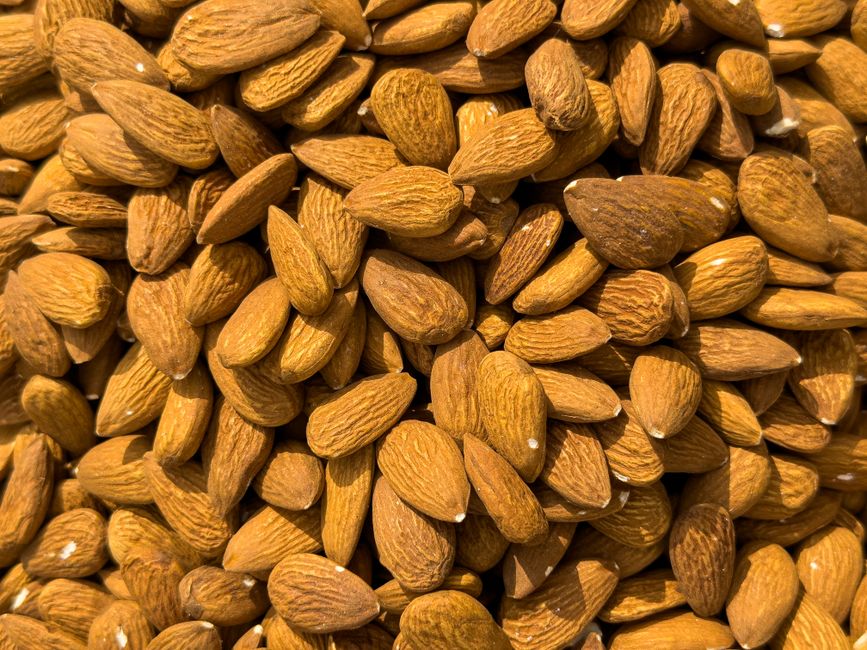
Magnesium-rich foods are a sensible first move for sleep-minded eaters because they add nutrition without promising a sedative effect. Pumpkin seeds, beans, nuts, spinach, whole grains, and fish can help build dietary magnesium intake; magnesium glycinate is not proven superior for sleep, and supplement decisions need extra care when regular medicines are involved.
Can I get enough magnesium from food instead of a supplement?
Yes, many people can build meaningful magnesium intake from food, and food is the cleaner starting point. The National Institutes of Health Office of Dietary Supplements lists green leafy vegetables, legumes, nuts, seeds, whole grains, and certain beverages as good sources of magnesium.
Use the Daily Plate Check: look for one seed or nut, one bean or whole-grain food, and one leafy green across the day. That is more useful than treating one bedtime snack as a sleep switch. It also keeps the focus on meals that do more than one job.
The NIH Office of Dietary Supplements, accessed in 2026, lists recommended dietary allowances of 400 milligrams per day for men ages 19 to 30 and 310 milligrams per day for women ages 19 to 30; for adults age 31 and older, the figures are 420 milligrams for men and 320 milligrams for women. The same source says that roughly 30% to 40% of magnesium from food and beverages is typically absorbed. Those figures describe nutrient targets, not a promise that hitting a target will solve insomnia.
| Food portion | Magnesium | How it can fit |
|---|---|---|
| Roasted pumpkin seeds, 1 ounce | 156 milligrams | Sprinkle on a grain bowl or portion into a small evening snack. |
| Chia seeds, 1 ounce | 111 milligrams | Stir into an existing breakfast or snack routine. |
| Almonds, 1 ounce | 80 milligrams | Pair with fruit rather than treating them as a sleep remedy. |
| Cooked spinach, 1/2 cup | 78 milligrams | Fold into eggs, soup, beans, or a grain dish. |
| Cooked black beans, 1/2 cup | 60 milligrams | Add to a bowl, taco filling, or simple salad. |
The amounts in this table are from the NIH Office of Dietary Supplements, accessed in 2026. Think in combinations, not a single “best” food. A seed-heavy snack may contribute more magnesium at once, while beans and greens make it easier to repeat the pattern in regular meals.
Food also avoids a common label trap. The NIH Office of Dietary Supplements and the U.S. Food and Drug Administration explain that Supplement Facts labels list elemental magnesium, not the full weight of the magnesium compound. “Magnesium glycinate” can look like a large number on the front of a package while the relevant label figure is the elemental magnesium per serving.
Which magnesium-rich foods are easiest to eat at night?
The easiest nighttime magnesium-rich foods are familiar, light portions that fit into an ordinary meal or snack, not a complicated “sleep formula.” A small handful of almonds, yogurt or oats topped with chia seeds, a banana with nut butter, soup with spinach and beans, or leftovers built around whole grains all keep the cognitive load low.
Use the Light Plate Rule: choose one magnesium-containing food and pair it with something already easy to digest for you. Weak version: “Build a perfect magnesium snack every night.” Strong version: “Add seeds, nuts, beans, or greens to a meal you already make.” The second version is repeatable. Repetition is what makes a food-first plan real.
There is no source here showing that a particular bedtime food works like a sedative. The food-first value is broader: these choices can contribute magnesium while keeping dinner and snacks balanced rather than heavy. For readers also managing occasional constipation, the distinction matters because concentrated nonfood magnesium can have digestive effects; this guide to stool softeners and laxatives for seniors explains why it is important not to treat every bowel concern with the same tool.
Will pumpkin seeds, beans, nuts, or spinach help me sleep better?
They can help raise dietary magnesium intake, but the supplied evidence does not show that pumpkin seeds, beans, nuts, or spinach reliably improve sleep on their own. That is the honest line. Food supports the nutrient pattern; it does not guarantee a sleep outcome.
The best evidence summarized in the provided research concerns oral magnesium supplements, not meals. A 2021 systematic review in PubMed combined three randomized trials involving 151 older adults with insomnia. Its pooled estimate found sleep-onset latency was 17.36 minutes shorter with magnesium than placebo, but total sleep time increased by 16.06 minutes without statistical significance; the review rated the evidence low to very low certainty and noted moderate-to-high risk of bias in all included trials.
A separate 2024 systematic review found a mixed record: five of eight sleep-related studies reported improvement in at least one sleep measure, two found no improvement, and one had mixed results. The review also reported that studies varied in dose, form, duration, and outcome measures, and that most used magnesium oxide. That evidence cannot be converted into a claim that magnesium glycinate is the best magnesium form for sleep.
Run the Expectation Reset instead. Weak version: “Magnesium will knock me out.” Strong version: “Food can support magnesium intake, while sleep changes need to be judged over time and without assuming one cause.” This protects both your budget and your expectations.
A practical food-first next step
Start with the plate, then inspect any supplement label. The FDA reports that many single-ingredient magnesium supplements contain 200 to 400 milligrams of elemental magnesium per serving, while multivitamin-mineral products typically contain 100 milligrams or less; those figures are reported in the FDA material accessed in 2026. That range makes label reading a safety task, not packaging trivia.
The NIH Office of Dietary Supplements and FDA materials, accessed in 2026, set the adult upper limit at 350 milligrams per day from magnesium in dietary supplements and medications; naturally occurring food magnesium is not included. The FDA identifies diarrhea as the critical adverse effect behind that limit and notes that nonfood magnesium can also cause nausea and abdominal cramping.
Use this three-question checkout before adding magnesium glycinate: “What is the elemental magnesium per serving?” “What other nonfood magnesium products are already in use?” “Which pharmacist or clinician can check this against regular medicines?” That is the practical sequence. It avoids doubling up through a multivitamin, an antacid, and a new sleep supplement without noticing.
Medication timing is not a DIY guessing game. DailyMed’s levothyroxine prescribing information says products that interfere with absorption need to be separated from levothyroxine, and it specifically identifies magnesium-containing antacids as a concern. The FDA adds that supplements can change a medicine’s absorption, metabolism, or excretion. For thyroid, heart, blood-pressure, diuretic, or other regular medicines, bring the full product list to a pharmacist or clinician before adding a supplement.
This week’s drill is simple: identify two food sources of magnesium already available at home, then write down every supplement, antacid, and multivitamin currently used. That turns a vague sleep purchase into a clear food-first decision and a safer medication question.
Frequently Asked Questions
Is magnesium glycinate better for sleep than getting magnesium from food?
No evidence in the supplied research establishes that magnesium glycinate is better for sleep than food magnesium. Reviews of oral magnesium find uncertain and mixed sleep results, and much of the available study evidence used magnesium oxide rather than glycinate. Food and supplements serve different roles: food builds an overall eating pattern, while a supplement adds a concentrated nonfood source that may bring digestive effects and medication questions.
How much magnesium is too much when I also eat fortified foods?
The NIH Office of Dietary Supplements states that the adult upper limit applies to magnesium from dietary supplements and medications, not naturally occurring food magnesium. The FDA notes that the limit is based on diarrhea as the critical adverse effect, and it also warns that nonfood magnesium can cause nausea and abdominal cramping. A label check matters because a product’s elemental magnesium, not the compound’s larger weight, is the relevant number.
Can magnesium supplements interact with thyroid, heart, or blood pressure medicines?
They can, so a pharmacist or clinician should review a new magnesium supplement alongside every prescription, over-the-counter product, and supplement. DailyMed states that magnesium-containing antacids can reduce levothyroxine absorption, while the FDA warns that supplements can change how medicines are absorbed, metabolized, or excreted. That review is especially important for people using thyroid replacement, cardiovascular, blood-pressure, diuretic, or other regular medicines.
Sources
- National Institutes of Health Office of Dietary Supplements: Magnesium Fact Sheet for Health Professionals
- U.S. Food and Drug Administration: Magnesium in Dietary Supplements
- PubMed: Oral magnesium supplementation for insomnia in older adults: a systematic review and meta-analysis
- PubMed: Examining the Effects of Supplemental Magnesium on Self-Reported Anxiety and Sleep Quality
- DailyMed: Levothyroxine Sodium Tablets Prescribing Information
- U.S. Food and Drug Administration: Mixing Medications and Dietary Supplements Can Endanger Your Health
Disclaimer: This article is for general information only and is not medical advice. It is not a substitute for diagnosis or treatment by a qualified healthcare professional. Always speak to your doctor before acting on anything you read here.