
What Are Healthy Drinks Besides Water?
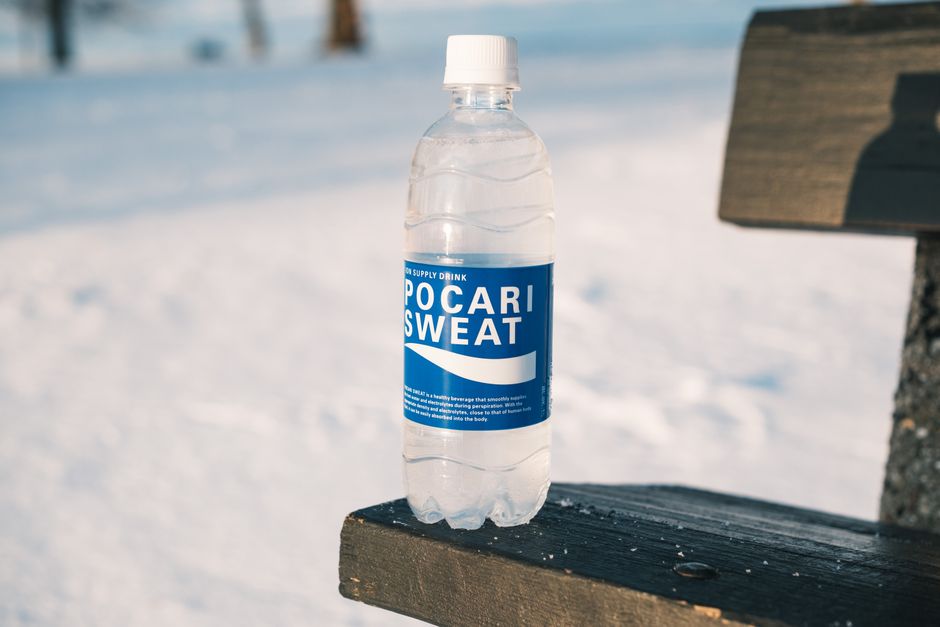
Healthy drinks besides water include unsweetened tea, plain coffee, sparkling water, milk, and unsweetened fortified milk alternatives. Tea, coffee, and sparkling water can add flavor with little or no sugar and calories; milk adds nutrients such as calcium, potassium, and vitamin D. Check labels on bottled drinks, because sweetened versions can add substantial sugar and calories.
What is the healthiest drink besides water?
The healthiest drink besides water depends on what you need from it: choose unsweetened tea or sparkling water for a low-calorie option, and milk or an unsweetened fortified alternative when you want nutrients. There is no single best drink for every person or situation.
The CDC lists plain coffee, tea, sparkling water, seltzer, and flavored water among low- or no-calorie options. Milk provides calcium, potassium, and vitamin D. Unsweetened fortified milk alternatives can also provide nutrients, though the exact nutrient content depends on the product label.
Use a simple choice rule: if the priority is flavor without added sugar, start with an unsweetened drink. If you want a drink that contributes nutrients, compare milk or a fortified alternative. Coconut water is another common option, but the research sources provided here do not give a nutrient or calorie comparison for it, so check its label rather than assuming it is a low-sugar choice.
What's a good alternative to drinking water?
A good alternative to drinking water is an unsweetened drink you will actually choose, such as tea, plain coffee, sparkling water, seltzer, or flavored water. The National Academies says caffeinated beverages can contribute to daily hydration, and water also comes from foods and other beverages.
The National Academies gives adequate total-water intake levels of about 2.7 liters (91 ounces) per day for women and 3.7 liters (125 ounces) for men. Those amounts include water from food and all beverages; about 80% of total water intake comes from beverages and drinking water, and about 20% from food. These are total-water benchmarks, not a requirement to drink that amount as plain water.
Needs vary with age, sex, pregnancy, activity, and breastfeeding status, according to the CDC. Heat and prolonged physical activity can increase fluid needs, while healthy people generally meet hydration needs through normal drinking behavior and thirst, according to the National Academies. For exercise-related choices, see this guide to healthy electrolyte drinks for adults; an electrolyte drink is not automatically necessary for ordinary daily drinking.
What are the top 5 unhealthy drinks?
Five categories worth limiting are regular soda, fruit drinks, energy drinks, sweet tea, and sports drinks when they add substantial sugar. The CDC's comparison per 12-ounce serving shows why: all five contain added sugar, and some also provide substantial calories.
| Drink (12 ounces) | Sugar | Calories | What to notice |
|---|---|---|---|
| Unsweetened tea | 0 teaspoons | 0 | A useful baseline for a flavored, unsweetened option |
| Sports drink | 5 teaspoons | 97 | Check whether the situation calls for a sweetened sports drink |
| Sweet tea | 7 teaspoons | 115 | Tea can change significantly when sweetened |
| Energy drink | 9 teaspoons | 162 | May also contain caffeine and other stimulants |
| Regular soda | 10 teaspoons | 155 | High added sugar with no comparable nutrient role described here |
| Fruit juice drink | 10 teaspoons | 186 | Do not confuse a juice drink with 100% juice |
The CDC identifies sugary drinks as the leading source of added sugars in the American diet. Its list includes soda, fruit drinks, sports and energy drinks, sweetened waters, and sweetened coffee or tea. The figures above are for the CDC's stated 12-ounce comparison; the bottle in your hand may contain more than one serving.
Energy drinks warrant extra attention beyond sugar. The CDC says they can contain large amounts of caffeine and other stimulants, including guarana, taurine, and L-carnitine. It cites the American Academy of Pediatrics recommendation that adolescents avoid energy drinks and consume no more than 100 mg of caffeine per day.
What is the healthiest drink to drink daily?
The healthiest daily choice is usually an unsweetened drink that fits your needs, with plain water still a reliable default and unsweetened tea, coffee, sparkling water, milk, or a fortified alternative useful for variety. The better daily pick depends on whether you are managing caffeine, dairy, added sugar, or a child's needs.
For adults who drink coffee, the CDC says moderate caffeine intake up to 400 mg per day can fit in a healthy diet, an amount it equates to about 2–3 cups of plain coffee. Tea and coffee count toward hydration, but that adult guidance is not a reason to offer caffeine to young children. CDC guidance says children younger than 2 should avoid caffeinated drinks, and there is no established safe caffeine limit for young children.
For children, keep the decision straightforward: CDC identifies water and unflavored, unsweetened milk—including lactose-free milk and unsweetened fortified dairy alternatives—as choices with no added sugars. Children younger than 24 months should not have added sugars. For children ages 1–3, the American Academy of Pediatrics recommendation cited by CDC is no more than 4 ounces of 100% fruit juice per day; juice is not recommended before 12 months, and juice drinks are different from 100% juice.
A quick label-reading checklist
- Read the serving size first. Compare the nutrition information with the amount you will drink; a bottle can hold multiple servings.
- Check added sugars. The CDC recommends checking drink labels for calories and added sugars. “Fruit” or “tea” in the name does not tell you whether a drink is sweetened.
- Compare calories per serving. Use the label to compare similar products on the same serving basis.
- Check what the drink actually is. Distinguish 100% juice from fruit drinks, and unsweetened milk alternatives from sweetened ones.
Gas-station quick picks
At a gas station, scan the cold case and coffee station for plain sparkling water, seltzer, unsweetened tea, plain coffee, unflavored milk, or an unsweetened fortified alternative. If only flavored bottled options appeal, check added sugars and serving size before deciding. The CDC suggests flavoring water with fruit or herbs or adding a splash of 100% juice to sparkling water, a useful approach when you can assemble it from available choices.
Skip the assumption that every drink marketed for energy, exercise, or fruit is a better hydration choice. The CDC's comparison shows that sports drinks, energy drinks, and fruit juice drinks can carry added sugar and calories; choose based on the label and your actual needs. When avoiding caffeine, choose water, sparkling water, or an appropriate caffeine-free option. When avoiding dairy, check that a milk alternative is unsweetened and fortified if you want added nutrients.
Frequently Asked Questions
Do tea and coffee count toward hydration?
Yes. The National Academies says caffeinated beverages can contribute to daily hydration, and caffeine's diuretic effect may be temporary rather than causing cumulative total-body-water deficits. For most adults, the CDC says moderate caffeine intake up to 400 mg per day can fit in a healthy diet.
Which drinks have flavor without a lot of added sugar?
Try unsweetened tea, plain coffee, sparkling water, seltzer, or flavored water without added sugar. The CDC also suggests adding fruit or herbs to water, or a splash of 100% juice to sparkling water. Check the label, because sweetened tea, coffee, and flavored waters can contain added sugars.
What healthy drink can I buy at a gas station?
Look for plain or unsweetened sparkling water, unsweetened tea, plain coffee, or unflavored milk. Check the serving size and added-sugars line before choosing bottled tea, juice drinks, sports drinks, or energy drinks, since their sugar and calorie levels can be much higher.
Sources
- Centers for Disease Control and Prevention: Water and Healthier Drinks
- Centers for Disease Control and Prevention: Rethink Your Drink
- National Academies of Sciences, Engineering, and Medicine
- Centers for Disease Control and Prevention: Foods and Drinks to Avoid or Limit
- Centers for Disease Control and Prevention: Energy Drinks
Read next
Best Energy Drink Healthy: Compare Caffeine, Sugar and Size
Compare caffeine, sugar, serving size and sweeteners to find the best energy drink healthy choice for your needs.
What Are the Healthiest Electrolyte Drinks for Adults?
Healthy electrolyte drinks depend on what you have lost; water and meals usually suffice, while severe diarrhea calls for oral rehydration solution.
Is Zipfizz Energy Drink Good for You?
Zipfizz has 100 mg caffeine per serving, plus vitamins and minerals; suitability depends on your caffeine intake, health and sleep.

Why Is My Nose Running Clear All Day?
Use symptoms, timing, and exposure clues to tell allergies, colds, irritants, and urgent clear nasal drainage apart.