
Sports
Navigating Shifting Landscapes: How Outdoor Activities Adapt to a Changing Planet

Social media has transformed the landscape for athletes, serving as a powerful tool for personal branding, fan engagement, and financial opportunities while also introducing significant challenges to mental health and performance. Platforms like Instagram, TikTok, and Twitter enable athletes to connect directly with fans, showcase their skills, and secure endorsement deals. However, excessive use can lead to negative outcomes, such as reduced on-field performance and heightened pressure. [1] [2] This article examines both the positive and negative impacts, drawing from recent studies and real-world examples to provide athletes with actionable strategies.
One of the most significant benefits of social media for athletes is the ability to build personal brands that translate into lucrative Name, Image, and Likeness (NIL) deals, especially since 2021 when college athletes gained the right to monetize their presence. Social media followings directly influence endorsement offers, with athletes averaging multi-million-dollar contracts partly due to their online visibility. For instance, high school athletes with strong social media exposure increase their chances of recruitment by top schools, while professionals like soccer players in Europe see boosted followings from verified team accounts. [2] [1]
Consider Caitlin Clark, a standout NCAA women’s basketball player with 650k Instagram followers. She focuses on athletic performance content, which has propelled her into the top 100 for NIL deals across all sports. In contrast, her peer Angel Reese posts varied content, highlighting how tailored strategies can maximize earnings. Athletes also humanize themselves by sharing behind-the-scenes glimpses, fostering deeper fan connections and increasing sponsorship value-athletes alone generate 26% of total brand sponsorship value on social media. [2] [7]
To capitalize on these opportunities, athletes should develop a content strategy. Start by identifying your platform strengths: use Instagram for polished athletic highlights and TikTok for relatable, casual videos, as research shows frontstage content performs better on Instagram while backstage content thrives on TikTok. Track engagement metrics like likes and shares to attract sponsors. Universities can support this through NIL training programs that teach analytics and platform-specific posting. Challenges include uneven follower growth, but solutions involve consistent posting schedules and collaborations with influencers. Alternatives like Twitch for live streams have seen 21% growth in sports content usage from 2020-2021. [5] [6]
Key takeaways: Prioritize authentic content that blends performance and lifestyle to appeal to brands. Regularly audit your profiles for optimization, aiming for verification to enhance credibility and algorithmic reach.
Despite the upsides, social media poses risks to athletes’ mental health and performance. High usage correlates with poorer match-day results; a study of 31 tennis players and 8,095 performances found significant negative effects from frequent Twitter activity. [3] Pressure from fan expectations can create fear of failure, leading to jealousy among young athletes comparing themselves to stars. Professional athletes feel added stress to maintain peak performance to satisfy followers. [4]
Gender disparities exacerbate these issues. In women’s soccer, shared team accounts with men’s teams reduce female players’ followings, reflecting broader discrimination as joint branding favors men and limits women’s verification chances. This ‘rich get richer’ algorithmic bias hinders prominence for women athletes. [1] NIL competition in college sports can rift teams, with players chasing followers over fit, funneling talent to a few schools and causing unhealthy comparisons.
Athletes face practical challenges like time management and cyberbullying. To mitigate, set daily usage limits-experts recommend monitoring emotional responses post-scrolling. UC Davis advises boundaries to protect mental health. Build support networks by following mental health resources and connecting with peers. Step-by-step: 1) Assess usage with app trackers; 2) Schedule ‘no-scroll’ zones around training; 3) Engage positively by curating feeds with inspirational content; 4) Seek coaching on resilience. Alternatives include offline journaling or team workshops. Examples like established athletes sharing mental health stories raise awareness and motivate others. [9] [4]
Summary: Balance is key-social media boosts motivation and recognition but demands mindful consumption to avoid burnout.

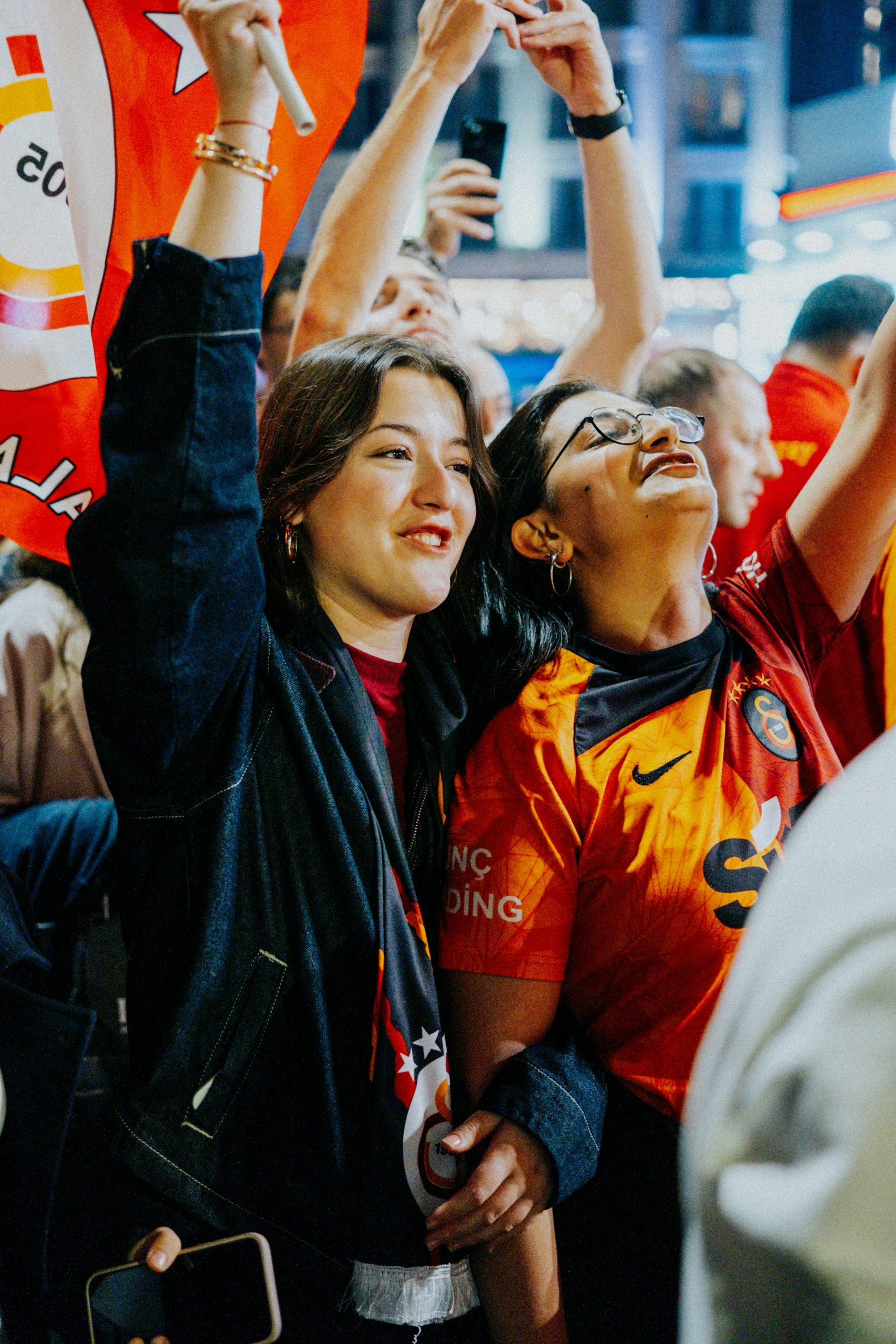
Social media drives fan loyalty, with fans following athletes over teams, generating $1.8B in ad value from branded posts last year. TikTok sports content grew 30% from 2020-2021, humanizing athletes and enhancing relatability. This extends careers post-retirement via endorsements. [6] [7]
Implement by posting year-round: share training routines, personal milestones, and fan interactions. Challenges like content fatigue are addressed through variety-mix polls, Q&As, and stories. Track growth with free analytics tools. For longevity, diversify platforms and build email lists as backups.
Athletes can thrive by integrating social media thoughtfully. 1) Define goals: branding or engagement? 2) Create a calendar: 3-5 posts weekly. 3) Analyze performance quarterly. 4) Partner with managers for NIL optimization. 5) Prioritize mental health check-ins. Women athletes should seek independent accounts for better growth. Programs like university NIL education provide templates and metrics training. [5]
Real-world application: A soccer player might post verified highlights on Instagram, gaining 20% more followers, while limiting TikTok to fun clips avoids overuse pitfalls. Potential hurdles like algorithm changes are overcome by staying updated via industry newsletters.
Looking ahead, NIL markets may hit $2.5B by 2026, emphasizing athlete branding. Organizations investing in players’ social growth capture massive value. Athletes should evolve with trends like AI analytics for content. [7]
Recommendations: Collaborate with coaches on balanced usage; use tools for detox periods; focus on quality over quantity. By addressing both sides, athletes harness social media’s power sustainably.
[1] University of Kansas Study on Women Soccer Players’ Social Media (2023). Analyzes branding factors.
[2] UM School of Communication: Social Media Influences on Athletics (2023). Explores NIL and branding.
[5] Elon Journal: Cap Henneman on NIL and Social Media (2025). Platform strategies.
[6] Greenfly: Social Media in Sports (Year not specified). Fan engagement stats.
[7] NIL Network: Fans Follow Athletes (Year not specified). Sponsorship value.
[9] UC Davis Health: Protecting Athletes’ Mental Health (2024). Usage boundaries.
MORE FROM getscholarships.net