
Wellness
Navigating Midlife Transitions: Practical Insights for Physical and Emotional Well-Being

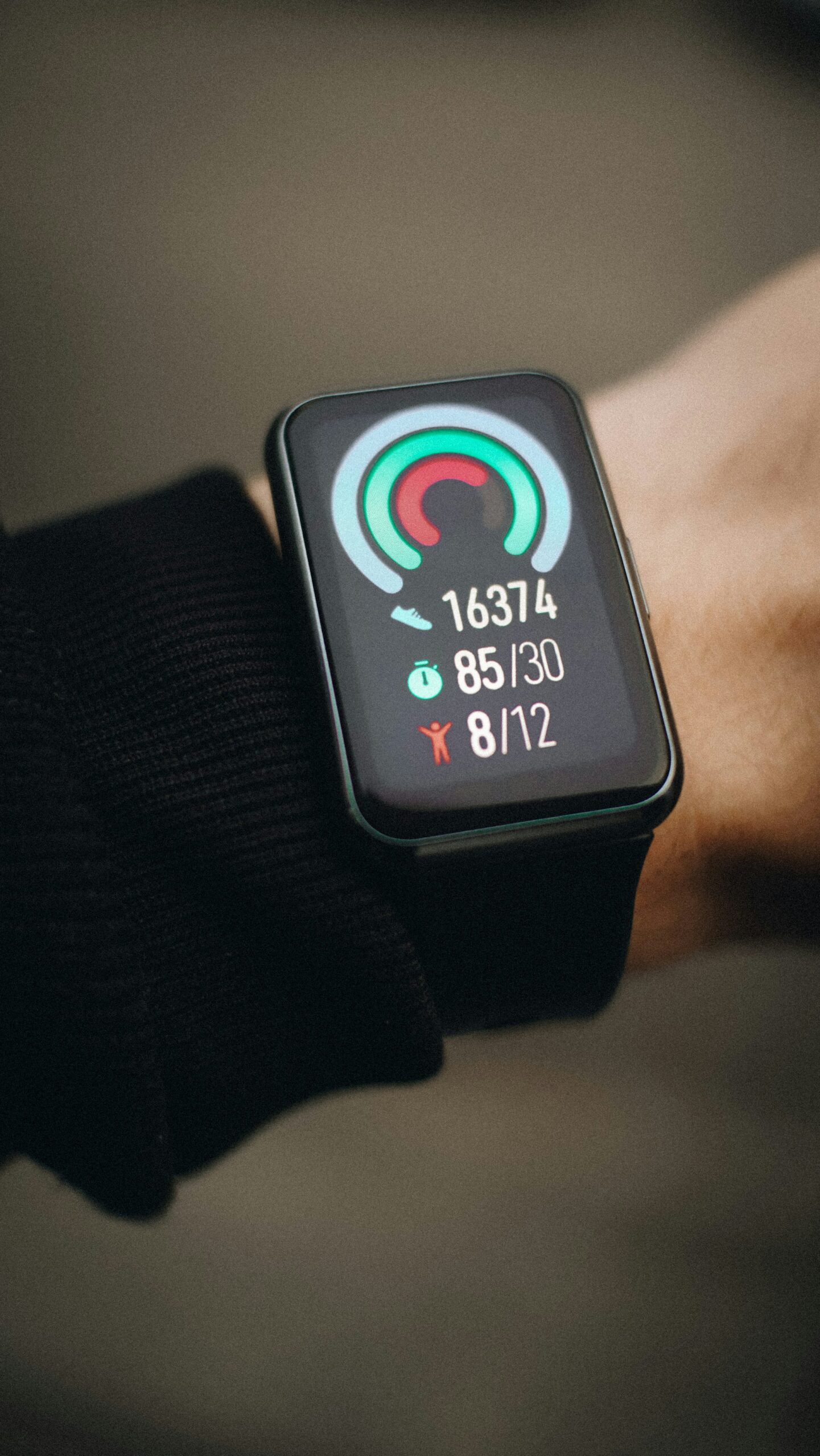
Artificial intelligence is reshaping how coaches, teams, and athletes approach performance monitoring in sports. By leveraging machine learning, computer vision, and predictive analytics, AI processes vast amounts of data from wearables, cameras, and sensors to deliver real-time insights. This technology tracks metrics like speed, acceleration, heart rate, and movement patterns, enabling precise adjustments to training regimens. [1] Unlike traditional methods that rely on manual observations or basic stats, AI provides objective, data-driven feedback that optimizes performance and reduces injury risks. For instance, GPS-enabled wearables and biometric devices monitor players during games, offering coaches immediate data on fatigue levels and sprint counts to inform substitution decisions. [1]
The global sports analytics market, powered by these AI advancements, is projected to exceed $22 billion by 2030, driven by demands for accuracy and faster decision-making. [1] This growth reflects AI’s role in not just monitoring but predicting outcomes, personalizing training, and enhancing overall athletic development. Teams adopting these tools report improved player fitness without burnout, smarter recruitment, and operational efficiencies across stadium management.
At the core of AI sports monitoring are sophisticated sensors and computer vision systems. Wearable devices like those from Catapult Sports use GPS and biometrics to capture comprehensive data across over 40 sports in 100 countries. Their machine learning algorithms deliver sport- and position-specific metrics with proven accuracy, validated by numerous research institutions. [4] Platforms such as VueMotion employ smartphone-based computer vision to analyze movements like acceleration, deceleration, and jumps without needing bulky hardware-just a phone, tripod, and cones. [2]
Other innovations include AI cameras from companies like Real Sports AI, which automate data collection on smart grounds using IoT for real-time cloud analysis. [3] SportsVisio processes uploaded game footage to generate stats and highlights automatically, simplifying analysis for any sport. [6] These tools create biomechanical models that reveal movement inefficiencies, providing objective profiles for tracking progress over time. For example, VueMotion has tested over 80,000 athletes, aiming to release normative data across major sports by late 2025 to benchmark performance standards. [2]
Integration of real-time biometric monitoring takes this further. AI tracks heart rate variability, physiological responses, and environmental factors, moving beyond basic stats to personalized insights. This allows coaches to measure true workload and recovery capacity, adjusting protocols dynamically. [5] Challenges like data overload are addressed through AI’s ability to filter noise and prioritize actionable metrics, ensuring usability even for non-technical staff.
Professional teams worldwide are already reaping benefits. Liverpool FC uses AI for player performance analysis and scouting, contributing to their sustained success. [1] IBM Watson at Wimbledon analyzes hours of video to produce instant highlight reels and live commentary, enhancing both coaching and fan engagement. [1] NBA teams employ Second Spectrum’s computer vision for defensive strategies and efficiency metrics, turning raw footage into strategic advantages. [1]
Catapult Sports exemplifies scalability, supporting thousands of teams with injury risk prediction by analyzing training and match data for workload management. [4] In combat sports or weight-class events, MyClearStep’s AI tracks hydration and weight without numbers, preventing manipulation and ensuring fair monitoring. [7] VueMotion’s ease of use allows entire teams to be profiled in minutes, optimizing movement for sports like AFL and providing return-to-play feedback. [2]
To implement these, start by selecting a platform suited to your sport: assess needs like real-time vs. post-game analysis, then test with free trials where available. For VueMotion, setup involves basic equipment and quick onboarding; upload footage to SportsVisio for instant stats. Potential hurdles include integration with existing systems-solved by platforms like Stats Perform that combine Opta data with AI for seamless metrics. [10] Alternatives include open-source tools or partnering with university research for custom models.
One of AI’s standout benefits is injury prediction. Companies like Catapult and Kitman Labs sample data to forecast risks, enabling proactive recovery plans. [1] AI examines biomechanics and workload patterns to identify vulnerabilities, such as poor deceleration linked to ACL injuries. Personalized protocols emerge from this analysis, with real-time alerts during sessions. [5]
Step-by-step: Collect baseline data via wearables, monitor daily loads, and use AI dashboards to flag anomalies. For recovery, track metrics like heart rate variability for readiness scores. Challenges like athlete compliance are mitigated by gamified apps that encourage consistent use. Case in point: AI-driven systems have helped teams reduce non-contact injuries by optimizing rest, as seen in elite soccer leagues. [1] Future expansions include mental health tracking via brainwave and stress analytics, rounding out holistic monitoring.
Looking ahead, generative AI will enable ‘what-if’ simulations for strategies, while AR/VR offers immersive fan and coach experiences with live fatigue overlays. [1] Smart stadiums will integrate AI for traffic and energy predictions, and cross-sport models will transfer insights, like soccer endurance to basketball. [1] Platforms like Teamworks are pioneering athlete management systems with AI for comprehensive oversight. [9]
To get started, evaluate your team’s needs-budget-friendly options like smartphone apps for amateurs, enterprise solutions for pros. Research providers via their official sites, such as Catapult or VueMotion, and request demos. Begin small: pilot with one metric like sprint tracking, scale based on results. Consult sports science experts or associations for tailored advice. This approach ensures measurable gains in performance, safety, and efficiency.
AI-powered sports performance monitoring democratizes elite-level insights, making them accessible from youth leagues to pros. By addressing every facet from tracking to prediction, it empowers informed decisions that elevate athletes. Stay ahead by exploring these tools today.

[1] USM Systems (2023). AI In Sports: Transforming Performance, Training & Fan Experience. [2] VueMotion. AI-Powered Athletic Performance Analysis Platform. [3] StartUs Insights. 10 New AI Companies Advancing Sports Performance Analytics. [4] Catapult Sports. Athlete Monitoring System. [5] CallPlaybook. Top 5 AI Applications in Sports Science and Player Analytics. [6] SportsVisio. AI Powered Stat-Tracking and Highlights. [7] MyClearStep. AI Sports Performance Tracking That Prevents Manipulation. [9] Teamworks. Innovation, AI, and the Future of Athlete Management. [10] Stats Perform. Trusted Live Opta Sports Data, Sports AI, Technology.
MORE FROM getscholarships.net