Understanding Resilience: More Than Just Bouncing Back
Resilience is often misunderstood as the ability to quickly “get over” a difficult situation, but in reality, it’s a dynamic process that involves adapting to stress, maintaining a sense of purpose, and growing from challenges. Research from the American Psychological Association (APA) highlights that resilience is not an innate trait reserved for a select few; rather, it’s a set of skills that can be learned and strengthened over time. This means anyone can cultivate resilience, regardless of their past experiences or current circumstances.
Building Physical Resilience: The Foundation of Overall Strength
Physical health and mental resilience are deeply interconnected. When our bodies are strong, we’re better equipped to handle the mental and emotional toll of stress. Here are evidence-based practices to build physical resilience:
Consistent Movement:
Engaging in regular physical activity, such as walking, yoga, or strength training, releases endorphins-natural mood boosters that reduce stress hormones like cortisol. A 2021 study published in the Journal of Psychiatric Research found that 30 minutes of moderate exercise five days a week can significantly improve stress tolerance and emotional regulation.
Quality Sleep:
Sleep is critical for repairing the body and consolidating memories, which helps us process stressful events. The National Sleep Foundation recommends 7-9 hours of sleep per night for adults. Poor sleep can impair decision-making, increase irritability, and weaken our ability to cope with challenges.
Nutritious Diet:
Eating a balanced diet rich in fruits, vegetables, whole grains, and lean proteins provides the nutrients our bodies need to function optimally. Foods high in omega-3 fatty acids, like salmon and walnuts, have been shown to reduce symptoms of anxiety and depression, while complex carbohydrates help stabilize blood sugar levels, preventing energy crashes that can exacerbate stress.
Hydration:
Even mild dehydration can affect mood, concentration, and energy levels. The Institute of Medicine recommends that men drink about 3.7 liters of water per day, and women about 2.7 liters, to maintain proper hydration.
Mental resilience involves developing coping strategies that help us manage stress, maintain a positive outlook, and stay connected to our values. Here are key practices to foster mental resilience:
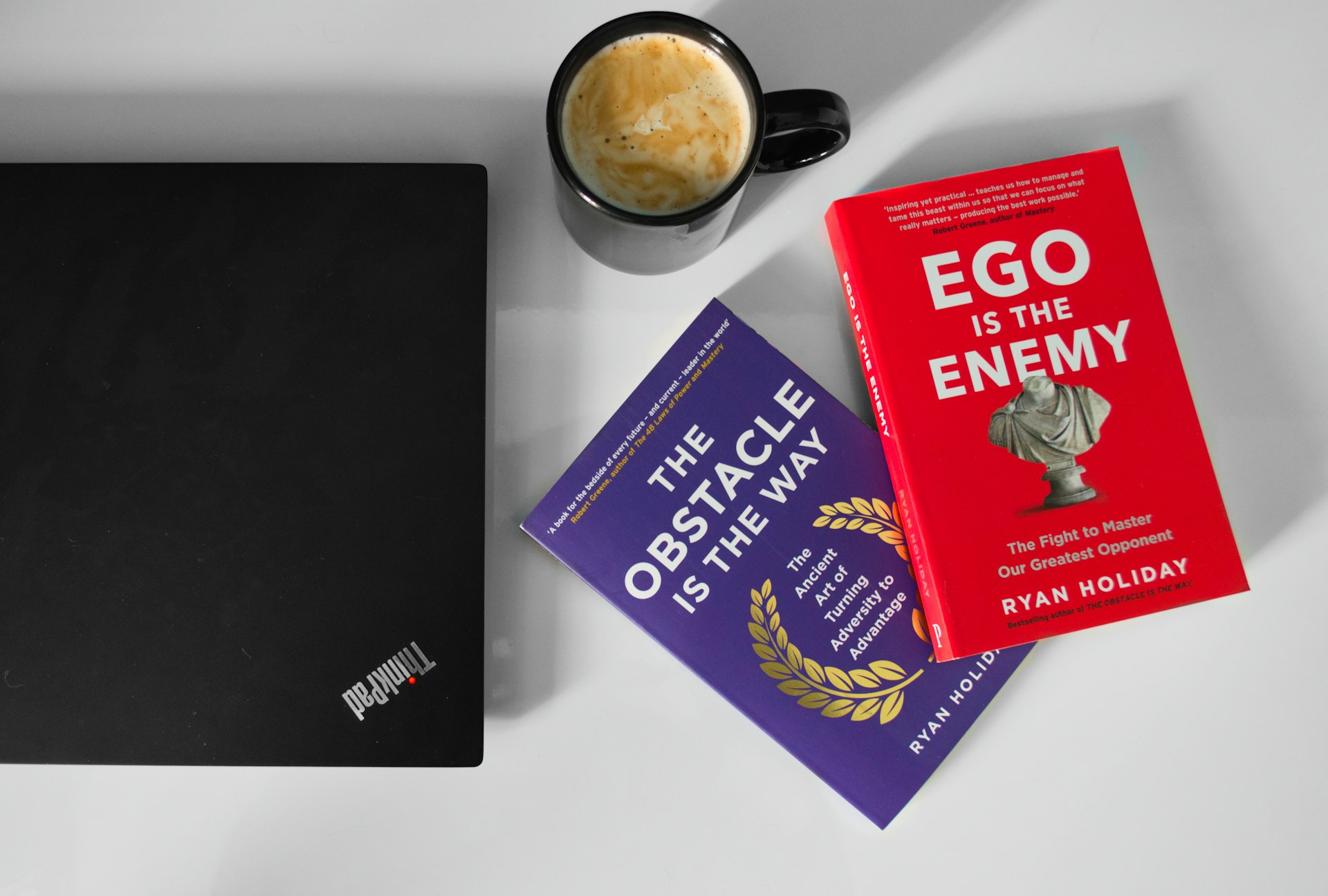
Photo by Greg Rosenke on Unsplash
Mindfulness and Meditation:
Mindfulness practices, such as meditation or deep breathing exercises, can help us stay present in the moment and reduce rumination on past mistakes or future worries. A 2019 study in JAMA Internal Medicine found that mindfulness-based stress reduction (MBSR) programs can reduce symptoms of anxiety and depression by up to 30% in adults with chronic stress.
Social Connection:
Building strong relationships with family, friends, and community members provides a support system that can help us navigate difficult times. The APA notes that social support can buffer the effects of stress, reduce the risk of mental health issues, and improve overall well-being.
Setting Realistic Goals:
Breaking large, overwhelming tasks into smaller, achievable goals can help us build confidence and a sense of accomplishment. This incremental approach also allows us to adapt our plans as needed, reducing the stress associated with unmet expectations.
Practicing Gratitude:
Taking time each day to reflect on the things we’re grateful for can shift our focus from negative thoughts to positive experiences. A 2020 study in the Positive Psychology Journal found that daily gratitude journaling can increase feelings of happiness and reduce symptoms of stress over time.
Seeking Professional Help:
If you’re struggling to cope with stress or mental health issues, reaching out to a therapist or counselor can provide valuable tools and support. Therapy can help you identify negative thought patterns, develop healthy coping strategies, and build resilience in a safe, non-judgmental environment.
Integrating Physical and Mental Resilience Practices
The most effective way to build resilience is to integrate physical and mental practices into your daily routine. For example, combining a morning walk with a 5-minute meditation can help you start the day with a sense of calm and energy. Similarly, practicing yoga not only strengthens your body but also encourages mindfulness and emotional regulation.
It’s important to remember that building resilience is a gradual process. There will be days when you struggle, and that’s okay. The key is to be consistent with your practices and to be kind to yourself when you make mistakes. Over time, these small, consistent efforts will add up, helping you develop the strength and confidence to face whatever challenges come your way.
Conclusion: The Journey of Resilience
Resilience is not a destination but a lifelong journey. By taking care of your physical health, nurturing your mental well-being, and building strong social connections, you can cultivate the strength to adapt, grow, and thrive in the face of adversity. Whether you’re dealing with a small daily setback or a major life transition, these practices can help you navigate the challenges with grace and confidence, allowing you to live a more fulfilling and meaningful life.