site-logo Site Logo

Holistic Nutrition Lifestyle: A Whole-Person Approach to Modern Wellness

Article avatar image

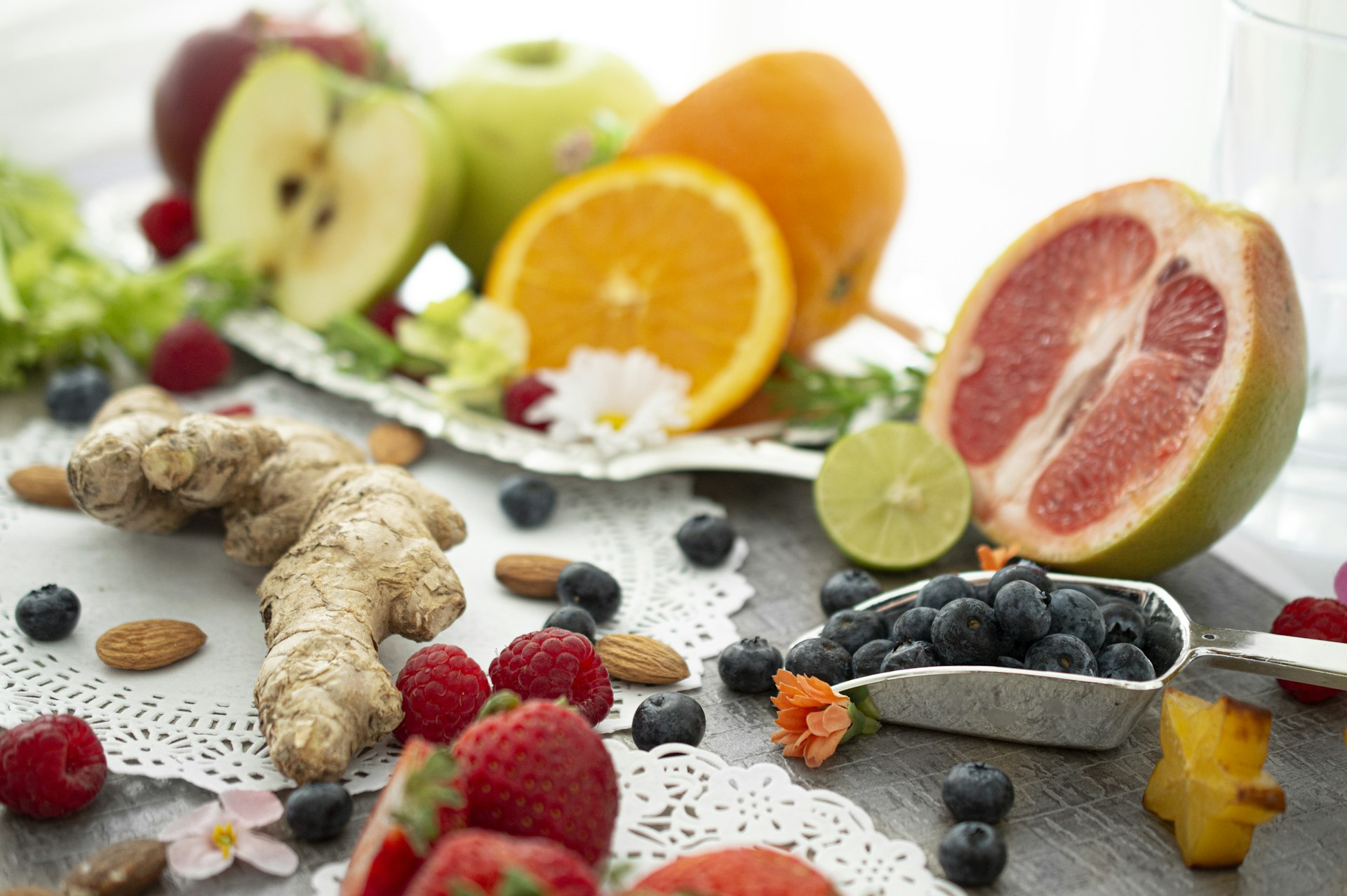
Photo by Markus Winkler on Unsplash

Introduction to Holistic Nutrition Lifestyle

Holistic nutrition is more than just a diet-it is a lifestyle that integrates the physical, emotional, mental, and spiritual aspects of health. By combining mindful eating with an understanding of how food choices affect the entire person, holistic nutrition offers a pathway to improved vitality, better digestion, balanced mood, and overall well-being [1] [2] . This article provides a comprehensive guide to adopting a holistic nutrition lifestyle, actionable steps for implementation, and practical alternatives if you face barriers along the way.

Understanding Holistic Nutrition

Holistic nutrition centers on nourishing your whole self, not just counting calories or macronutrients. It involves prioritizing whole, unprocessed foods-such as fruits, vegetables, nuts, seeds, whole grains, and lean proteins-that supply a spectrum of nutrients essential for optimal body functioning and disease prevention [1] [4] . Mindful eating is a key component, encouraging awareness of food choices and the signals of hunger and fullness.

The holistic approach also considers your unique needs, lifestyle, and environment. Rather than relying on generic diets, it emphasizes personalization-choosing foods and habits that align with your body’s requirements and life circumstances [4] .

Key Benefits of a Holistic Nutrition Lifestyle

Choosing a holistic nutrition lifestyle provides a range of benefits:


  • Improved Energy & Digestion
    : Whole, nutrient-rich foods support sustained energy and digestive health.

  • Balanced Mood
    : Diets rich in fresh produce and balanced macronutrients can enhance mood and mental clarity, supporting the production of serotonin and dopamine [5] .

  • Reduced Disease Risk
    : Holistic lifestyles may lower the risk of chronic diseases like diabetes, heart disease, and cancer through the avoidance of processed foods and focus on natural sources [3] .

  • Enhanced Mind-Body Connection
    : Holistic nutrition recognizes the interplay between emotional, mental, and physical health, helping individuals foster resilience and self-awareness [3] .

  • Better Relationship with Food
    : Working with a holistic nutrition professional can help you develop a positive, sustainable relationship with food, moving away from restrictive or punitive eating patterns [2] .

Practical Steps to Implement Holistic Nutrition

Transitioning to a holistic nutrition lifestyle involves several actionable steps:


  1. Assess Your Current Habits
    : Begin by reflecting on your current eating patterns, physical activity, sleep quality, and stress levels. Journaling or working with a holistic nutritionist can clarify areas for improvement.

  2. Choose Whole, Unprocessed Foods
    : Gradually replace processed foods with whole alternatives. Aim for a colorful variety of fruits and vegetables, whole grains, and healthy fats at each meal. Consider shopping at farmers’ markets or local co-ops to access fresh, minimally processed produce.

  3. Practice Mindful Eating
    : Eat without distractions, savor each bite, and listen to your body’s hunger and fullness cues. Mindful eating has been shown to reduce overeating and improve satisfaction [4] .

  4. Personalize Your Approach
    : Everyone’s needs differ. Consult with a licensed holistic nutritionist or registered dietitian for tailored advice-many practitioners offer virtual consultations and ongoing support [5] . If you cannot access a professional, reputable online directories or local wellness centers may provide referrals.

  5. Integrate Movement and Stress Management
    : Holistic nutrition embraces the value of regular physical activity and mindfulness practices such as meditation or yoga. These habits support both physical and mental well-being [3] .

  6. Monitor Progress and Adjust
    : Set realistic health goals and check in regularly. Tracking improvements in energy, mood, digestion, or sleep can help maintain motivation. Seek ongoing education and accountability through community groups or professional guidance.

Examples and Case Studies

Consider Anna, who suffered from chronic fatigue and digestive discomfort. By shifting to a holistic nutrition lifestyle-replacing processed snacks with fresh fruits, practicing mindful eating, and incorporating daily walks-she reported increased energy and reduced symptoms within months. Similarly, many clients working with holistic nutritionists have seen improvements in mood, stress resilience, and long-term health markers by personalizing their diet and lifestyle habits [2] [5] .

If you cannot access a professional, look for community wellness workshops, online forums, or books from licensed experts. Search terms such as “holistic nutrition counseling” or “certified holistic nutritionist near me” may help you locate reputable practitioners and resources.

Article related image

Photo by Jan Landau on Unsplash

Challenges and Solutions

Adopting a holistic nutrition lifestyle may present challenges, such as budget constraints, limited access to fresh foods, or confusion from conflicting online advice. To overcome these:


  • Budget Solutions
    : Shop for seasonal produce, buy in bulk, and prioritize nutrient-dense staples like beans, lentils, and whole grains.

  • Access Barriers
    : Investigate local food co-ops, community gardens, or mobile produce markets. Non-profit organizations and local health departments often provide resources on affordable healthy eating.

  • Information Overload
    : Consult with credentialed professionals or use reputable sources for guidance. If professional support is not feasible, choose educational materials from registered dietitians or licensed holistic nutritionists.

Remember, progress is gradual. Celebrate small improvements and be patient with yourself as you develop new habits.

Alternative Approaches

If a strict holistic nutrition lifestyle isn’t possible, consider hybrid approaches. For instance, you can start by incorporating one or two holistic principles-such as mindful eating or adding a daily serving of vegetables-and gradually expand your efforts. Many holistic nutritionists suggest making incremental changes rather than overhauling your entire diet at once [2] .

Accessing Holistic Nutrition Services and Resources

To access holistic nutrition services, you can:

  • Contact local registered dietitians or holistic nutritionists via professional associations or wellness centers. Search for “holistic nutrition counseling” in your area or consult reputable online directories.
  • Explore virtual programs offered by certified practitioners. These may include personalized diet plans, ongoing support, and education.
  • If unsure where to start, ask your primary care provider for referrals or check with local health departments for wellness initiatives.

If no verified referral site is available, use search terms such as “certified holistic nutritionist” or “holistic nutrition coaching” along with your location on well-known search engines or professional directories. Be sure to verify credentials and look for client reviews before engaging services.

Summary and Key Takeaways

A holistic nutrition lifestyle offers a whole-person, sustainable approach to wellness by integrating mindful eating, whole foods, movement, and self-awareness. Whether you work with a professional or take gradual steps on your own, this lifestyle can help you achieve improved energy, balanced mood, better digestion, and reduced disease risk. Explore local and virtual resources, set realistic goals, and celebrate each step forward toward a healthier, more vibrant life.

References

Navigating Midlife Transitions: Practical Insights for Physical and Emotional Well-Being
Navigating Chronic Conditions: A Holistic Look at Integrative Health Strategies
Cultivating Lasting Strength: Nurturing Physical and Mental Resilience in Daily Life
How Daily Lifestyle Adjustments Can Reduce Metabolic Syndrome Risk
Navigating Immune Health Through Aging: Pathways to Sustained Longevity
Nurturing Skin Health Through Holistic Lifestyle Medicine Practices
The Hidden Link Between Your Mouth and Overall Physical Health
Small, Steady Steps: Building Lasting Health Through Tiny Daily Actions
How Digital Tools Shape Sustainable Healthy Habits Over Time
Understanding the Multifaceted Health Advantages of Resistance Training for Women
Building Thriving Neighborhoods: How Local Efforts Shape Collective Well-Being
Unpacking the Link Between Daily Sleep Patterns and Long-Term Physical Well-Being