
Sports
Navigating Shifting Landscapes: How Outdoor Activities Adapt to a Changing Planet

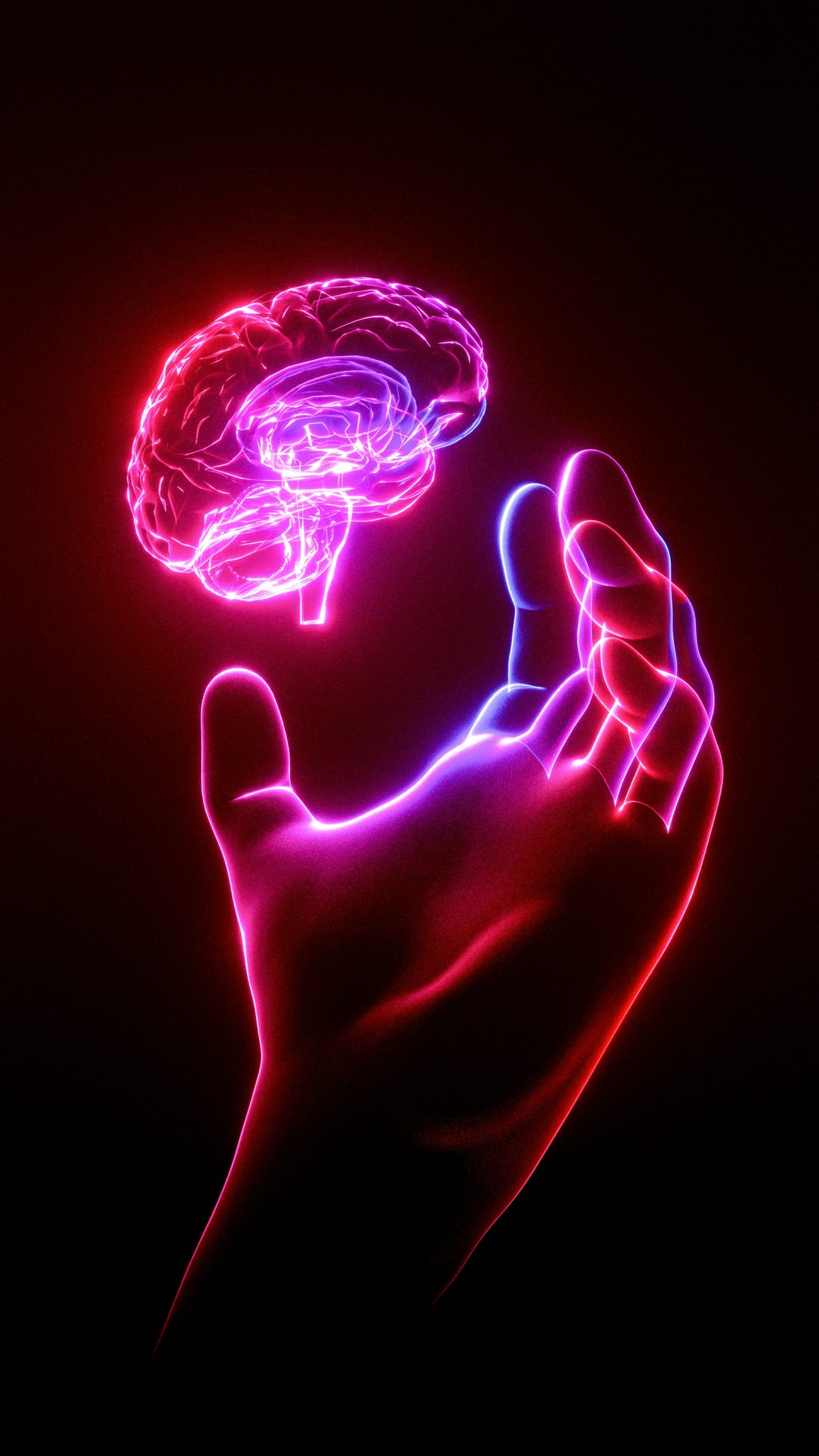
For centuries, humans have aligned their lives with the natural cycle of the sun, but modern lifestyles-filled with screen time and indoor spaces-have disrupted this ancient connection. The human body relies on light to regulate its circadian rhythm, a 24-hour internal clock that governs sleep-wake cycles, hormone production, metabolism, and even mood. This clock is primarily set by light entering the eyes, which sends signals to the suprachiasmatic nucleus (SCN) in the brain, a small region that coordinates bodily functions with the external environment.
Exposure to light in the first hour after waking is one of the most impactful ways to support circadian alignment. Research from the National Sleep Foundation shows that 10-15 minutes of natural morning light can suppress melatonin production (the hormone that induces sleep) and boost cortisol levels, which helps kickstart energy and alertness for the day. Even on cloudy days, outdoor light is significantly brighter than indoor artificial light, making it a powerful tool for resetting the body’s clock. For those who wake before sunrise, using a light therapy lamp with a color temperature of 5000-6500K can mimic natural sunlight and provide similar benefits.
Midday light, typically between 10 AM and 2 PM, is the brightest light of the day. Spending 20-30 minutes outdoors during this time can have profound effects on mental health. A 2021 study published in the Journal of Affective Disorders found that individuals who spent more time in midday natural light reported lower levels of anxiety and depression symptoms compared to those who stayed indoors. This is because sunlight triggers the production of serotonin, a neurotransmitter that contributes to feelings of happiness and well-being. Additionally, midday light helps maintain the body’s circadian rhythm, ensuring that energy levels stay consistent throughout the day and that sleep quality improves at night.
As the day winds down, the type of light we are exposed to becomes increasingly important. Blue light, emitted by smartphones, laptops, and LED lights, can interfere with the body’s ability to produce melatonin, delaying sleep onset and reducing sleep quality. The American Academy of Sleep Medicine recommends avoiding blue light exposure 1-2 hours before bedtime, or using blue light filters on devices if this is not possible. Instead, switching to warm, dim lighting (like incandescent bulbs or candlelight) in the evening can signal to the body that it’s time to prepare for rest. This shift helps maintain a healthy circadian rhythm and ensures that sleep is more restorative.

Beyond daily energy and sleep, consistent light exposure patterns can impact long-term health. Studies have linked disrupted circadian rhythms (often caused by poor light management) to an increased risk of chronic conditions such as obesity, diabetes, and cardiovascular disease. This is because the circadian rhythm regulates metabolism and insulin sensitivity; when it’s out of sync, these processes become less efficient. Additionally, proper light exposure supports immune function, as the body’s immune response is partially regulated by the circadian clock. By prioritizing natural light exposure during the day and limiting artificial blue light at night, individuals can support their body’s natural defenses and reduce the risk of long-term health issues.
Making small changes to daily routines can help optimize light exposure for better well-being. For those with desk jobs, positioning workstations near windows to get natural light throughout the day can boost productivity and mood. Taking short outdoor breaks every few hours can also help reset energy levels. In the evening, creating a “screen-free” zone in the bedroom and using blackout curtains to block external light can improve sleep quality. For individuals living in areas with limited sunlight during winter months, light therapy lamps can be a useful tool to maintain circadian alignment and prevent seasonal affective disorder (SAD).
It’s important to note that everyone’s light needs are slightly different, depending on factors like age, sleep habits, and geographic location. Consulting with a healthcare provider or sleep specialist can help individuals create a personalized light exposure plan that fits their lifestyle and supports their overall health goals. As research continues to uncover the complex relationship between light and wellness, it’s clear that this often-overlooked environmental factor plays a critical role in shaping our daily lives and long-term health.
MORE FROM getscholarships.net