
Wellness
Navigating Midlife Transitions: Practical Insights for Physical and Emotional Well-Being

Our energy levels are not random; they follow natural circadian rhythms and are deeply influenced by the choices we make each day. From the moment we wake up to the way we wind down at night, every habit plays a role in how we feel physically and mentally. Instead of chasing quick fixes like energy drinks or sugary snacks that lead to inevitable crashes, building sustainable routines can help maintain steady energy that supports productivity and overall well-being.
The first hour of the day sets the tone for the rest of it. Skipping hydration is a common mistake that can lead to early fatigue. After 7-8 hours of sleep, the body is dehydrated, so starting the day with a glass of water (add a slice of lemon for extra electrolytes) helps jumpstart metabolism and replenish fluids. Studies from the Journal of Nutrition note that even mild dehydration (1-2% of body weight) can impair cognitive function and reduce physical energy.
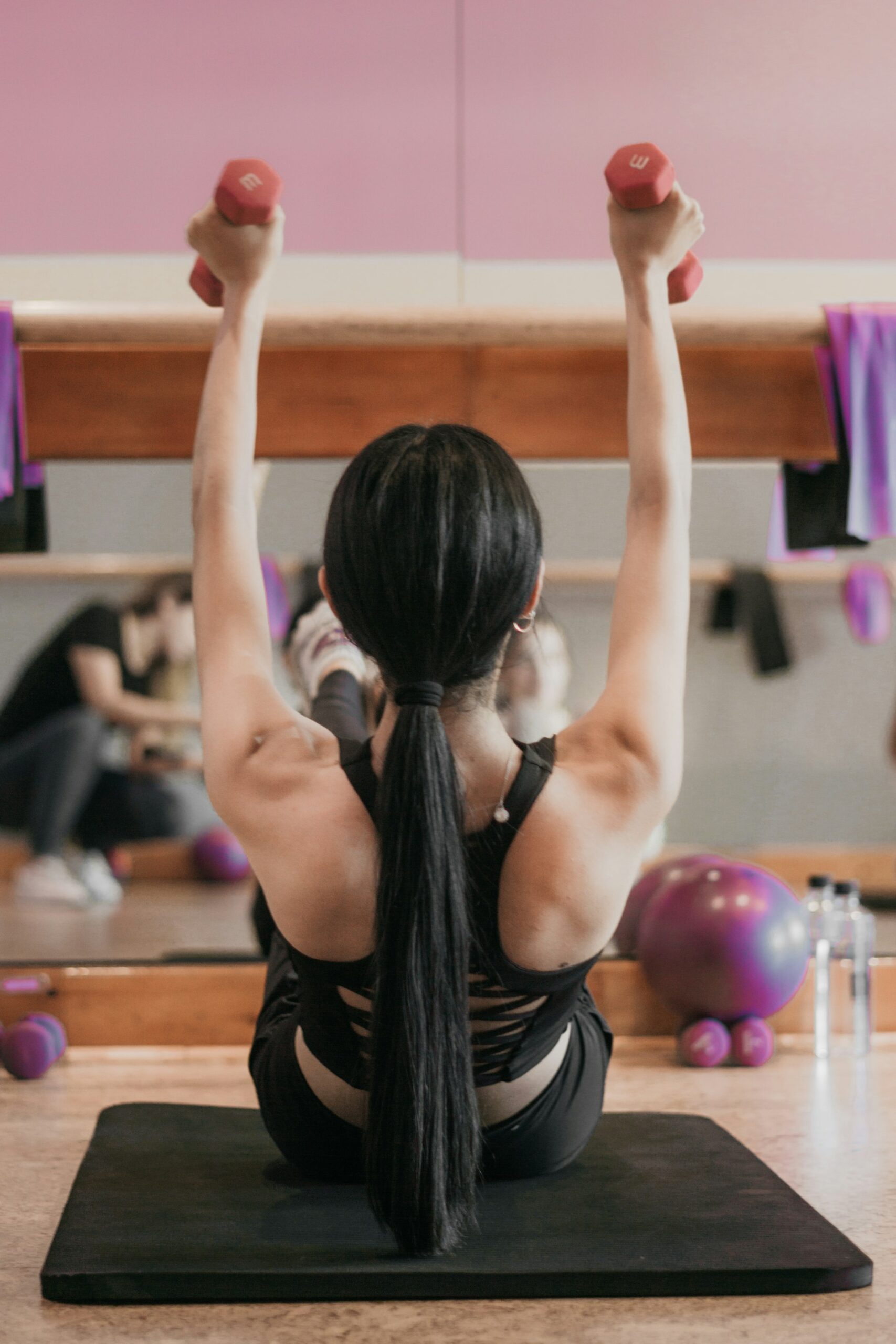
Next, incorporating gentle movement into your morning routine can boost blood flow and release endorphins. You don’t need a full workout-5-10 minutes of stretching, yoga, or a brisk walk around the block can wake up your muscles and increase oxygen to the brain. This movement also helps regulate your circadian rhythm, making it easier to stay alert throughout the day.
A balanced breakfast is another key component. Instead of reaching for pastries or sugary cereals that cause a rapid spike and crash in blood sugar, opt for a meal that combines complex carbohydrates, lean protein, and healthy fats. For example, oatmeal with nuts and berries, or eggs with whole-grain toast and avocado. These foods provide a slow release of glucose into the bloodstream, keeping energy levels stable for hours.
By midday, many people experience a dip in energy, often around 2-3 PM. This is a natural part of the circadian rhythm, but certain habits can make it worse. One of the biggest culprits is sitting for extended periods. Taking short, frequent breaks to stand up, stretch, or walk around can improve circulation and reduce fatigue. The Centers for Disease Control and Prevention (CDC) recommends taking a 5-minute break every hour for people who sit at a desk all day.

Choosing the right midday snack is also crucial. Sugary snacks like candy or soda may give an immediate boost, but they lead to a sharp drop in blood sugar shortly after. Instead, reach for snacks that combine protein and fiber, such as Greek yogurt with chia seeds, apple slices with almond butter, or a handful of mixed nuts. These snacks keep you full and maintain steady energy levels.
Mindful eating during lunch can also help prevent energy crashes. Eating too quickly or while distracted (like checking emails) can lead to overeating and digestive discomfort, which drains energy. Taking 20-30 minutes to eat slowly, savor your food, and focus on the meal helps your body digest properly and maintain steady energy.
As the afternoon wears on, it’s easy to reach for a second cup of coffee, but excessive caffeine can disrupt sleep later in the day and cause jitters or anxiety. Instead, try switching to herbal tea (like peppermint or chamomile) or a glass of water with cucumber. If you still need a pick-me-up, a short walk outside in natural light can help reset your circadian rhythm and boost alertness. Natural light exposure also increases serotonin levels, which improves mood and energy.
Gentle movement in the afternoon can also combat fatigue. A 10-minute yoga session, a quick dance break, or even just stretching at your desk can increase blood flow and reduce muscle tension. This movement helps you stay focused and avoid the urge to slump over your desk.
Another important afternoon habit is to avoid heavy meals. Large, high-fat meals take longer to digest, leaving you feeling sluggish and tired. Opt for lighter meals if you’re eating in the late afternoon, or save heavier dishes for dinner when your body is winding down.
The quality of your sleep directly impacts your energy levels the next day. Building a consistent evening routine helps your body prepare for rest and ensures you get 7-9 hours of quality sleep. One of the most important steps is to limit screen time at least an hour before bed. The blue light emitted from phones, tablets, and TVs suppresses melatonin production, making it harder to fall asleep. Instead, try reading a book, taking a warm bath, or practicing meditation to wind down.
Avoiding caffeine and alcohol in the evening is also crucial. Caffeine can stay in your system for up to 6 hours, so drinking coffee after 2 PM can disrupt sleep. Alcohol may help you fall asleep faster, but it causes fragmented sleep and frequent awakenings during the night, leaving you feeling tired in the morning.
Creating a relaxing sleep environment is another key part of the evening routine. Keep your bedroom cool (around 60-67°F), dark, and quiet. Use blackout curtains, earplugs, or a white noise machine if needed. Investing in a comfortable mattress and pillows can also improve the quality of your sleep.
Building healthy routines takes time and consistency. It’s important to start small and focus on one habit at a time, rather than trying to change everything at once. For example, start by drinking a glass of water when you wake up, then add a 5-minute morning stretch, and so on. Over time, these small habits will add up to create a sustainable routine that supports steady energy levels.
It’s also important to listen to your body. If you’re feeling tired, don’t push yourself too hard-take a break or adjust your routine. Everyone’s body is different, so what works for one person may not work for another. Experiment with different habits and find what works best for you.
Finally, remember that energy management is a holistic process. It’s not just about what you eat or how much you sleep-it’s about balancing all aspects of your life, including stress management, physical activity, and social connections. By taking a comprehensive approach to your well-being, you can maintain steady energy levels and live a more vibrant, productive life.
MORE FROM getscholarships.net