
Wellness
Navigating Midlife Transitions: Practical Insights for Physical and Emotional Well-Being

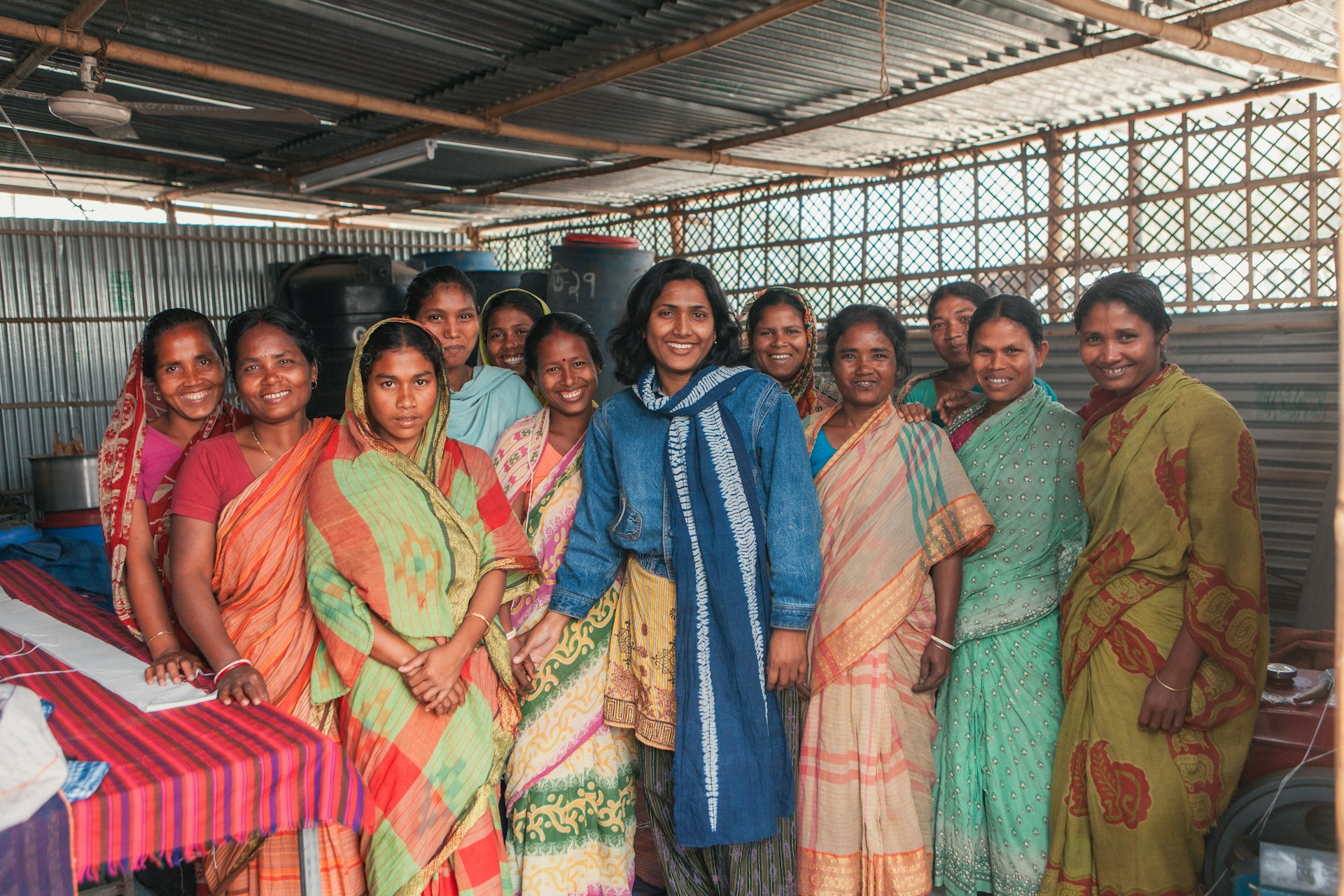
Community building serves as a powerful foundation for mental health support by creating spaces where individuals can connect, share experiences, and access resources collectively. This approach addresses isolation, a common barrier to emotional well-being, by emphasizing peer-led groups, local services, and shared activities that foster belonging. Research and programs show that such communities help manage stress, anxiety, and depression through mutual support and practical tools. [1] For instance, peer-led support groups allow participants to share stories in a non-judgmental environment, building resilience over time. In areas like Los Angeles, organizations integrate these elements into everyday programs, making support accessible without requiring formal memberships.
One key benefit is the cultural sensitivity often embedded in community efforts, particularly for diverse populations. Multilingual services in languages like Mandarin, Cantonese, and Spanish ensure inclusivity, helping low-income or limited-English proficiency groups feel supported. [2] Challenges such as stigma or logistical barriers can arise, but solutions include virtual options or mobile teams that bring help directly to communities. Starting small, like attending a local workshop, can lead to lasting networks that enhance daily coping skills.
Local entities play a central role in community building for mental health by offering free or low-cost group sessions, counseling, and referrals. The City of Monterey Park, for example, hosts services at libraries, including mental health support from Chinatown Service Center on specific days, providing counseling in multiple languages. [2] These in-person gatherings build trust and immediate connections. Similarly, the YMCA of Metropolitan Los Angeles runs programs like the Calm Toolkit, a six-week group focused on stress reduction through mindfulness and time management, open to all without membership. [3]
To access these, individuals can contact local centers directly-such as calling Monterey Park’s MPK Hope Resiliency Center at 626-609-3399 for emotional support referrals. Step-by-step: First, identify nearby community hubs like libraries or YMCAs; second, check schedules via phone or in-person visits; third, attend introductory sessions to build connections. Potential hurdles like transportation can be addressed by carpooling with group members or using public transit resources provided by the organizations. Mental Health America of Los Angeles (MHALA) extends this through youth programs for ages 18-25, focusing on integration via wellness workshops on communication and stress management. [4] Their outreach teams connect with those in public spaces, demonstrating how community building reaches the most vulnerable.
Peer-led groups exemplify community building by empowering participants to support one another, as seen in NAMI’s model where attendees share experiences to gain mutual understanding. [1] These groups, often free, create a sense of togetherness that combats loneliness. St. John’s Community Health in Los Angeles offers group therapy alongside individual sessions for issues like poverty-related stress, including crisis intervention. [5] Real-world application involves weekly meetings where members discuss coping strategies, leading to improved emotional resilience.
Implementation steps include: Search for NAMI chapters via their main site or local directories; attend an open meeting; commit to regular participation for deeper bonds. Challenges like shyness can be overcome by starting as a listener, gradually sharing. Alternatives encompass online groups for remote access. The YMCA’s Reclaim Your Calm, an eight-week anxiety management series, builds on this with cognitive tools and social connections, available at select centers. [3] Participants report sustainable strategies for daily life, highlighting the long-term impact of structured community engagement.
Structured programs like those from the YMCA target specific issues, such as the Pathways to Healing for depression management over ten weeks, incorporating behavioral strategies. [3] These foster community by grouping peers with similar challenges, enhancing empathy and accountability. LA County Department of Mental Health provides crisis referrals at 800-854-7771, linking to community services. [2] For youth, Active Minds and JED Foundation promote campus and school-based groups to normalize mental health discussions. [6] [7]
To participate: Contact local YMCAs for schedules; inquire about sliding-scale fees if applicable; prepare by noting personal goals. UCLA’s CORE program dispatches mobile teams for campus crises, minimizing barriers. [8] Examples include art therapy workshops for self-expression, helping teens and adults process emotions creatively. Solutions for low attendance involve hybrid formats. MHALA’s veteran and housing support integrates community retention services, ensuring stability. [4] These programs demonstrate how targeted groups build comprehensive support networks.
Immediate community resources like the 988 Suicide & Crisis Lifeline provide 24/7 English and Spanish support, with Korean hours, connecting callers to local groups. [2] Friendship Line at 888-670-1360 aids seniors and disabled adults. Integrating these into community building involves group leaders sharing hotline info during sessions. LA County DMH oversees broader wellbeing efforts. [9]
Steps for use: Dial during distress; follow prompts for language; request community referrals. Challenges like wait times are mitigated by peer check-ins. National Council for Mental Wellbeing advocates for such integrated recovery systems. [10] Case in point: Monterey Park’s disaster services offer post-trauma strategies via volunteers, blending crisis aid with ongoing community ties.
Start by assessing local needs-host informal meetups at parks or libraries. Partner with established groups like NAMI for facilitation training. Develop activities: mindfulness walks, art shares, or skill workshops. Promote via community boards or word-of-mouth. Measure success through feedback sessions. Alternatives: Virtual platforms for broader reach. Overcome funding issues with grants from mental health boards. National Alliance on Mental Illness provides facilitator resources to scale efforts. [1] This grassroots approach empowers sustained support.

Common obstacles include accessibility and engagement; solutions involve transportation aid and inclusive scheduling. Track progress via pre-post surveys on well-being. Programs like YMCA’s Strong Foundations teach boundary-setting for healthy ties. [3] Diverse examples from API-focused centers to youth art therapy show adaptability. Long-term, communities reduce reliance on individual therapy by normalizing help-seeking.
[1] NAMI (2023). Support Groups. [2] City of Monterey Park. Mental Health Resources for the Community. [3] YMCA of Metropolitan Los Angeles. Mental Health Support. [4] Mental Health America of Los Angeles. Services & Programs. [5] St. John’s Community Health. Mental Health Services in Los Angeles. [6] Active Minds. Championing Mental Health. [7] The Jed Foundation. Mental Health Programs. [8] UCLA Counseling & Psychological Services. CAPS CORE Program. [9] LA County Department of Mental Health. Hope, Recovery, Wellbeing. [10] National Council for Mental Wellbeing. Recovery Initiatives.
MORE FROM getscholarships.net