
Wellness
Navigating Midlife Transitions: Practical Insights for Physical and Emotional Well-Being

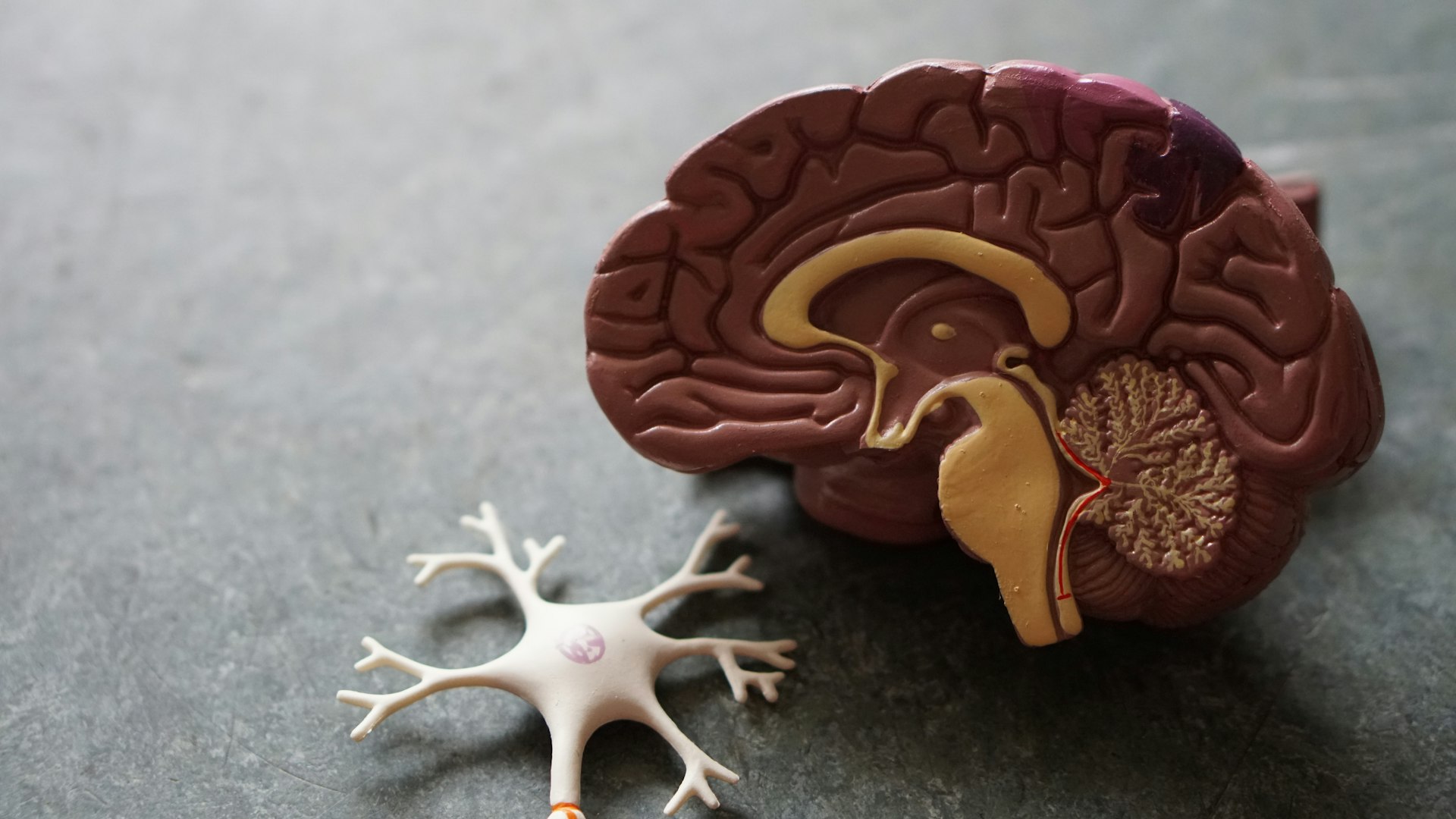
For millions of people worldwide, chronic health conditions-from fibromyalgia and irritable bowel syndrome (IBS) to chronic back pain and autoimmune disorders-are a daily reality. While traditional medicine often focuses on treating physical symptoms with medications or procedures, a growing body of research highlights the critical role that mental and emotional well-being plays in managing these conditions. This isn’t about blaming individuals for their illness; rather, it’s about recognizing the bidirectional communication between the brain and the body, and how this interaction can influence symptom severity and quality of life.
At the core of the mind-body relationship is the hypothalamic-pituitary-adrenal (HPA) axis, a complex network of glands and nerves that regulates the body’s stress response. When a person experiences stress, whether emotional or physical, the HPA axis releases cortisol, a hormone that helps the body prepare for a “fight or flight” response. In acute situations, this is adaptive-but for those living with chronic stress, prolonged cortisol release can have damaging effects: it weakens the immune system, increases inflammation, and can exacerbate symptoms of chronic conditions like rheumatoid arthritis or IBS.
Neuroplasticity, the brain’s ability to rewire itself in response to experiences, also plays a key role. For example, individuals with chronic pain may develop heightened sensitivity to pain signals over time as their brains adapt to persistent discomfort. This means that even minor physical sensations can be perceived as intense pain, creating a cycle where mental distress (like anxiety about pain) further amplifies physical symptoms.
Consider fibromyalgia, a condition characterized by widespread musculoskeletal pain, fatigue, and sleep disturbances. Studies have shown that people with fibromyalgia often have higher levels of perceived stress and anxiety, and that interventions targeting mental health-like cognitive-behavioral therapy (CBT)-can reduce pain severity and improve sleep quality. Similarly, IBS patients frequently report that their symptoms flare up during periods of high stress, and mindfulness-based stress reduction (MBSR) has been found to decrease abdominal pain and bloating in many cases.
Another example is chronic fatigue syndrome (CFS), where patients often struggle with overwhelming exhaustion that doesn’t improve with rest. Research suggests that CFS may be linked to dysregulation in the HPA axis, and that practices like gentle yoga and meditation can help balance stress hormones, leading to modest improvements in energy levels and daily function.
There are several evidence-based practices that can help bridge the gap between mind and body for those with chronic conditions:
It’s important to note that mind-body interventions are not a replacement for traditional medical care, but rather a complementary approach. When incorporating these practices into a treatment plan, it’s best to consult with a healthcare team that includes both a primary care provider and a mental health professional (like a therapist or counselor). This collaborative approach ensures that all aspects of a person’s health are addressed, leading to more comprehensive and effective care.
For example, a person with rheumatoid arthritis might work with a rheumatologist to manage joint inflammation with medication, while also seeing a CBT therapist to address the anxiety that often accompanies chronic illness. This combination can help reduce both physical pain and emotional distress, improving overall quality of life.

As research into the mind-body connection continues to grow, more healthcare systems are integrating holistic practices into their treatment protocols. This shift reflects a growing recognition that health is not just the absence of disease, but a state of balance between mind, body, and spirit. For those living with chronic conditions, this means more options for personalized care that honors their unique needs and experiences.
While there is still much to learn about the exact mechanisms of the mind-body connection, the evidence so far suggests that taking a holistic approach can lead to greater resilience, comfort, and well-being. By exploring these practices and working with a supportive healthcare team, individuals can take active steps toward managing their conditions more effectively and living more fully.
MORE FROM getscholarships.net