Color is more than just a visual experience-it’s a profound psychological tool that can influence mood, emotions, and even our overall mental well-being. Throughout history, colors have held symbolic meanings in healing and spirituality, and modern science is increasingly exploring their therapeutic potential. Understanding which colors represent mental health and how to use them effectively can empower individuals, families, and professionals to create supportive environments and raise awareness about mental well-being
[1]
.
Photo by Lan Johnson on Unsplash
What Color Represents Mental Health?
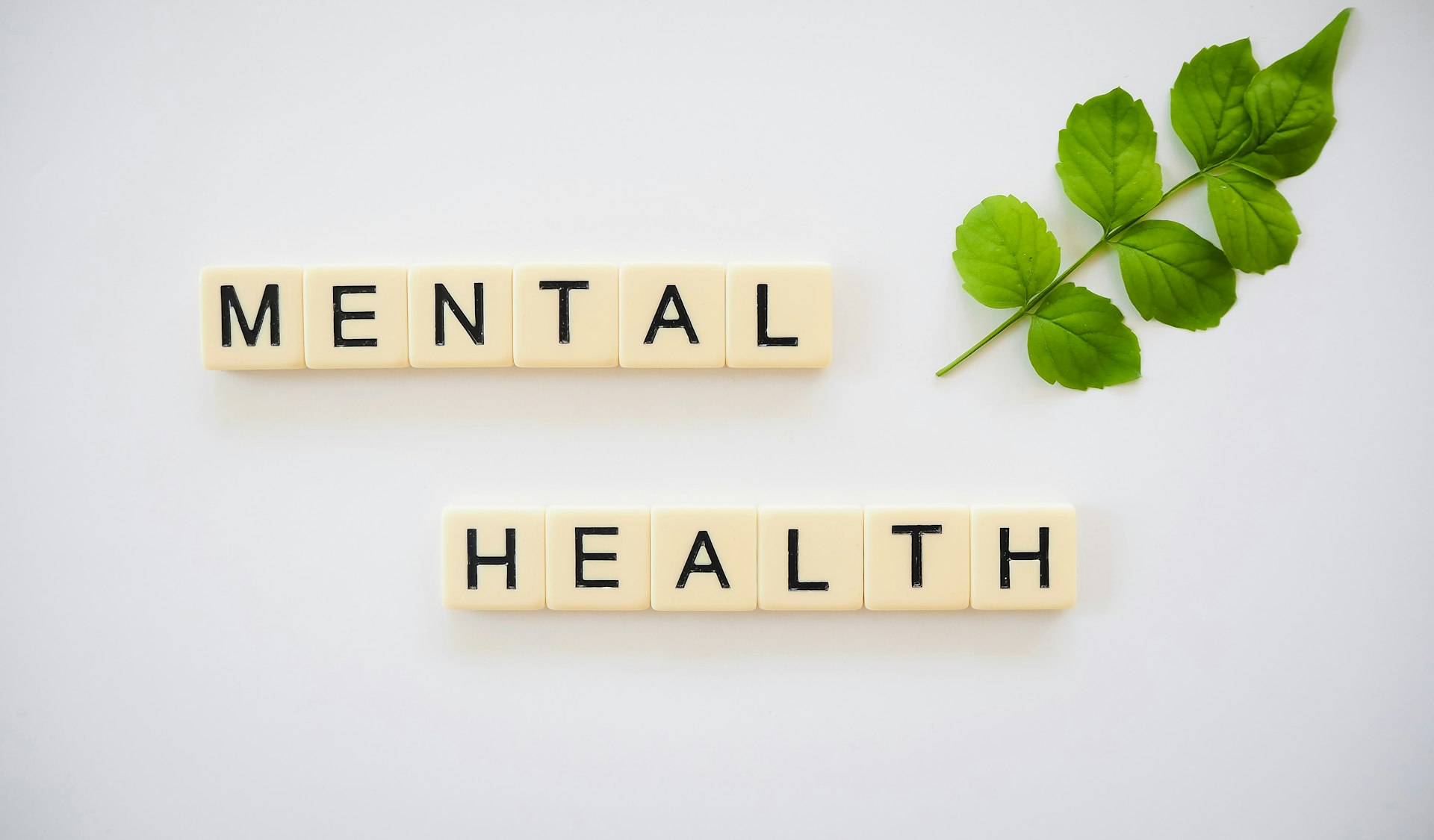
In mental health awareness campaigns and therapeutic environments,
green
is most commonly associated with mental health. This color symbolizes balance, renewal, and growth. It is often chosen for its calming and restorative qualities, which can help reduce anxiety and promote emotional regulation
[3]
. For example, the green ribbon is widely recognized as a symbol for mental health awareness, much like pink is for breast cancer.
However, other colors also play significant roles in mental health symbolism and therapy:
Blue
: Represents calmness, trust, and stability. Blue is often used in mental health settings to help manage anxiety and create a sense of peace
[2]
.
Yellow
: Conveys hope, optimism, and creativity, but excessive use may increase anxiety for some people.
Purple
: Suggests creativity and introspection, sometimes used to support mindfulness and self-reflection.
Red
: Often seen as energizing but can be overstimulating; generally used sparingly in mental health settings.
While green remains the primary color representing mental health awareness, blending blue, yellow, and other calming tones can further enhance therapeutic environments
[4]
.
The Psychological Effects of Color on Mood and Behavior
Color psychology examines how different hues affect human emotions and behaviors:
Blue
: Associated with lower heart rate and blood pressure, making it ideal for calming environments. Blue has been shown to improve focus and reduce symptoms of agitation
[2]
.
Yellow
: Can lift mood and inspire creativity in moderation, but overexposure may increase anxiety or agitation in sensitive individuals.
Purple
: Supports introspection and creativity, though darker shades might evoke deeper, sometimes melancholic, emotions.
Red
: Increases arousal and motivation but may also heighten agitation or stress, particularly in vivid or large amounts
[1]
.
Therapists and designers carefully select color schemes to maximize positive outcomes in counseling rooms, clinics, and even at home. For example, soft green or blue walls can help clients feel more relaxed and open during therapy sessions.
How Color Is Used in Mental Health Awareness and Treatment
Color symbolism is crucial in public mental health campaigns. The green ribbon, for example, is worn during Mental Health Awareness Month and at various events to show solidarity with those affected by mental health challenges. Community organizations may distribute green ribbons or use green lighting to create visible reminders of support
[3]
.
In treatment settings, color therapy-also known as chromotherapy-is sometimes integrated with other evidence-based approaches. This may include:
Painting therapy rooms in calming hues
Using colored lighting or visualization exercises
Encouraging clients to explore their emotional responses to color through art or digital tools
While color therapy should not replace conventional treatments, it can be a complementary tool for emotional regulation, stress management, and self-expression
[2]
.
Step-by-Step Guidance: Incorporating Color for Mental Health
Implementing color psychology to support mental health can be done in simple, practical ways:
Assess Your Environment
: Identify the colors predominant in your home, workspace, or community settings. Consider how these colors make you feel and whether they support your mental health goals.
Introduce Calming Colors
: To foster balance and relaxation, incorporate green or blue accents through wall paint, art, plants, or textiles. Small changes, like adding a green throw pillow or blue artwork, can have immediate effects.
Use Symbolic Colors for Awareness
: Wear green ribbons, clothing, or accessories to show support for mental health awareness, especially during relevant campaigns or events. Community groups can organize green-themed events to foster solidarity and reduce stigma.
Explore Color Therapy Techniques
: If interested in more structured approaches, seek out counselors or therapists trained in art or color therapy. Ask about incorporating color-based visualization exercises or creating mood boards as part of your self-care routine.
Monitor Your Responses
: Keep a journal of how different colors affect your mood and energy. Adjust your environment based on what works best for you, recognizing that individual preferences may vary.
Seek Professional Support
: If you experience persistent mood changes or mental health challenges, contact a licensed mental health professional. You can find providers through local health departments, mental health associations, or by searching for “mental health therapist near me” on established platforms. For crisis support, the National Alliance on Mental Illness (NAMI) and local mental health agencies offer hotline numbers and resources.
Challenges and Alternative Approaches
While color psychology offers valuable insights, it’s important to acknowledge potential limitations:
Color associations may differ across cultures and individuals. What is calming for one person may not be for another.
Color therapy is best used as a complementary tool, not a standalone treatment, for mental health conditions.
Excessive use of certain colors (like yellow or red) may have unintended effects, such as increased anxiety or overstimulation. Balance and moderation are key.
Access to professionally designed therapeutic environments may be limited by resources. However, small, affordable changes at home can still yield benefits.
Alternative approaches include:
Using natural light, plants, and outdoor green spaces to promote relaxation
Incorporating calming sounds, scents, and textures alongside color for a holistic sensory experience
Exploring mindfulness and meditation practices that use color visualization exercises
Key Takeaways and Next Steps
Colors like green and blue play a vital role in representing and supporting mental health. By integrating these colors into your daily environment and participating in awareness activities, you can contribute to a more supportive and stigma-free community. Remember, while color can influence mood and well-being, it is only one part of a comprehensive mental health strategy. Those seeking professional help should contact licensed providers or recognized mental health organizations in their area.