
Wellness
How Daily Wearables Shape Personal Health Management in Modern Life

Every morning, millions of people strap on a small device before stepping out the door. This device may track their steps, monitor their heart rate during a jog, or log how deeply they slept the night before. What began as a niche trend for fitness enthusiasts has become a mainstream part of modern health practices, with a wide range of users from young adults to older adults incorporating these tools into their daily lives.
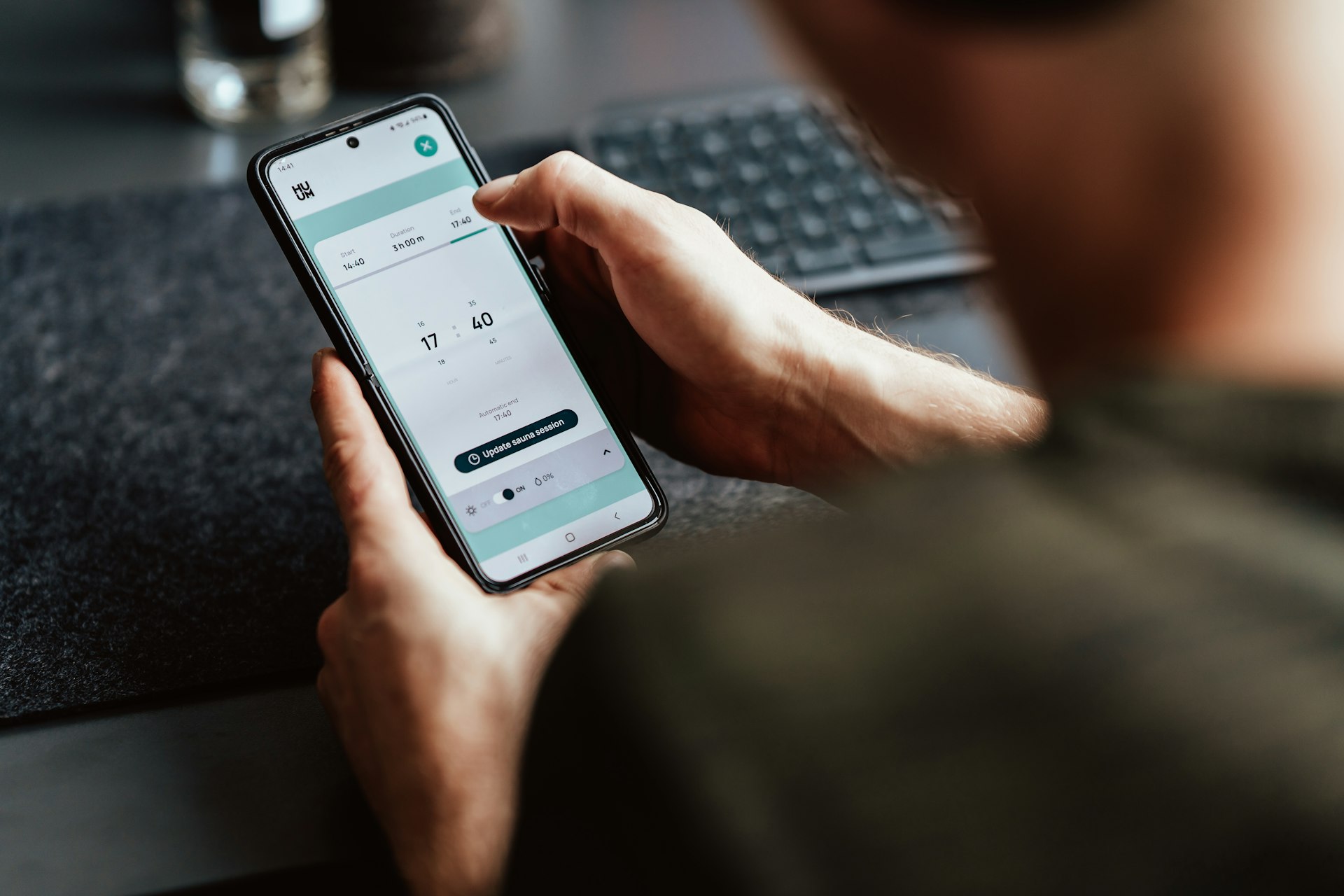
Early iterations of these devices focused primarily on counting steps, but today’s models capture a wealth of additional data points. They can measure resting heart rate, heart rate variability, blood oxygen levels, sleep stages (including deep sleep, light sleep, and REM), and even skin temperature in some cases. This data is processed either on the device itself or via a connected mobile application, which organizes the information into easy-to-read dashboards and insights.

For example, a user might wake up to a notification that their sleep quality was 78% the previous night, with a note that they spent less time in deep sleep than their average. This information can prompt them to adjust their evening routine-maybe avoiding screen time an hour before bed or switching to a cooler pillow-to improve their sleep the next night. Over weeks and months, this cumulative data can reveal long-term patterns, such as a drop in resting heart rate as they increase their weekly exercise, or a spike in blood oxygen levels when they spend more time outdoors.
One of the most impactful uses of these devices is in supporting individuals with chronic health conditions. For people with hypertension, for instance, some devices can track blood pressure trends over time, allowing them to share this data with their healthcare provider during appointments. This real-world data provides a more comprehensive picture of their condition than occasional in-office measurements, helping doctors adjust medications or lifestyle recommendations more effectively.
Similarly, individuals with diabetes can use certain devices that integrate with continuous glucose monitors to track how their physical activity affects their blood sugar levels. This integration allows them to see immediately how a 30-minute walk impacts their glucose, helping them make more informed decisions about when to exercise and how to balance it with their diet. For people with asthma, some devices can track environmental factors like air quality alongside their activity levels, helping them identify triggers that worsen their symptoms.
Beyond managing existing conditions, these devices also play a role in preventive care. Many devices include features that alert users to potential health concerns before they become serious. For example, a sudden, unexplained increase in resting heart rate might indicate an underlying infection or stress that the user hasn’t noticed. Some devices can also detect irregular heart rhythms, such as atrial fibrillation, which is a leading cause of stroke. In some cases, these alerts have led users to seek medical attention early, preventing more severe health issues.
A study published in the Journal of the American Medical Association found that users of these devices who received alerts for irregular heart rhythms were 30% more likely to seek timely medical care than those who didn’t use such devices. This early intervention can significantly improve outcomes for conditions that are more treatable when caught in their early stages.
While these devices offer many benefits, there are also important considerations to keep in mind. One of the primary challenges is data accuracy. Not all devices are created equal, and some may provide less reliable data than others, especially when it comes to more complex metrics like blood oxygen levels or sleep stages. Users should research the validation of a device’s features before purchasing, and cross-reference data with medical-grade equipment when necessary.
Another challenge is data overload. For some users, having constant access to health data can lead to anxiety or obsessive behavior, such as checking their step count every few minutes or worrying about minor fluctuations in their heart rate. It’s important for users to approach this data with a balanced perspective, using it as a tool to inform their choices rather than as a strict measure of their worth or health.
Privacy is also a key concern. Most devices collect and store personal health data, which can be vulnerable to breaches if not properly protected. Users should review the privacy policies of the device manufacturers and ensure that their data is encrypted and stored securely. They should also be cautious about sharing their data with third-party applications unless they trust the provider.
As technology continues to advance, these devices are likely to become even more integrated into personal health care. Future models may include more advanced sensors that can track additional metrics, such as blood pressure without a cuff, or even early signs of conditions like osteoporosis. They may also integrate more seamlessly with electronic health records, allowing healthcare providers to access real-time data during appointments.
Additionally, artificial intelligence and machine learning algorithms are being used to analyze the data collected by these devices, providing more personalized insights. For example, an algorithm might identify that a user’s sleep quality drops significantly on nights when they consume caffeine after 3 PM, and provide a tailored recommendation to avoid caffeine in the afternoon. These personalized insights can help users make more effective changes to their lifestyle.
Ultimately, the goal of these tools is to empower individuals to take control of their health. By providing accessible, actionable data, they allow people to make informed choices that support their long-term well-being. As with any health tool, it’s important to use them in conjunction with guidance from healthcare professionals to ensure that the data is interpreted correctly and used in a way that benefits the user’s health.
MORE FROM getscholarships.net