
Wellness
How Daily Wearables Shape Personal Health Management in Modern Life

Travel is an unavoidable aspect of competitive sports, particularly for elite athletes competing internationally. Long-haul flights, time zone changes, and disrupted schedules can lead to travel fatigue and jet lag, which compromise physical recovery, cognitive function, and overall performance. Studies indicate that these factors increase injury risk, reduce muscular strength, and impair decision-making, affecting outcomes in high-stakes events. [1] [2] For instance, track and field athletes traveling east across multiple time zones for the Olympics experience acute disruptions in their circadian rhythms, leading to prolonged adaptation periods of up to seven days. [2]
The physiological toll is multifaceted. Travel fatigue manifests as decreased endurance, coordination, and reaction time, while jet lag desynchronizes the body’s internal clock from the destination’s environment. This is exacerbated by cabin conditions like hypoxia and restricted movement, simulating high-altitude stress that worsens sleep quality and perceived exertion. [3] In one simulated study, athletes exposed to international flight conditions showed poorer intermittent sprint performance and heightened fatigue compared to domestic travel controls. [3] Over a season, such stressors accumulate, as seen in female basketball players who exhibited elevated cortisol levels, increased visceral fat, higher resting heart rates, and diminished knee flexion strength after heavy travel schedules. [4]
Psychological effects compound these issues. Anxiety from unfamiliar environments and performance pressure heightens the burden, potentially leading to cumulative fatigue if recovery is inadequate. Division I athletes report sleep loss impacting academics and training, with constant movement adding stress that elevates illness and injury risks. [6] Despite some studies showing mixed results due to methodological limitations, the consensus highlights travel as a performance disruptor, particularly eastward across more than three time zones. [5]
Travel’s effects vary by direction and distance. Eastward flights advance the body clock, causing more severe jet lag that requires about one day per time zone for resynchronization. For example, U.S. athletes heading to Paris for the Olympics cross seven time zones, shifting their core body temperature minimum from 4:00 a.m. home time to 11:00 a.m. destination time, disrupting sleep and recovery. [2] Westward travel is less disruptive, taking half a day per zone, but still involves climate and daylight shifts.
Physical markers decline notably. Rugby players on away games report greater leg fatigue, while simulated long-haul travel reduces sleep quality and sprint capacity. [3] A 16-week study of 259 rugby players found higher illness incidence post-international trips exceeding five hours’ time difference. [3] Cognitive impairments, such as slower reaction times, further hinder performance in sports requiring precision.
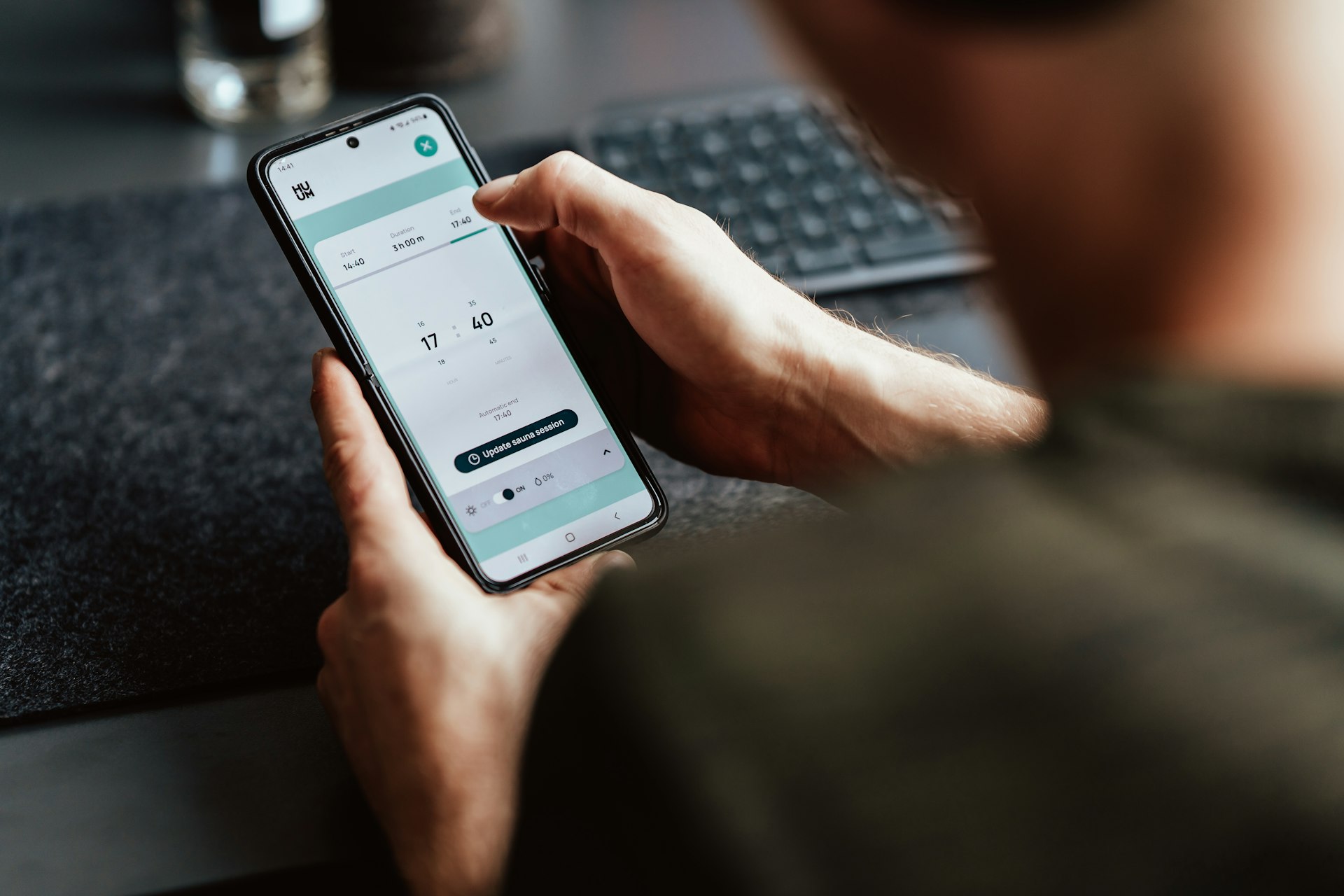
Challenges include tight schedules preventing pre-travel adjustments and varying individual responses. Solutions involve monitoring tools like biometric wearables to track sleep, heart rate variability, and fatigue, enabling personalized interventions. Without such monitoring, recovery strategies remain guesswork. [2]
Teams can counteract travel’s downsides through data-driven planning. Analytics optimize flight times by aligning with circadian rhythms, using biometric data for individualized itineraries that minimize jet lag. [1] Pre-flight preparation includes gradual light exposure and sleep shifts: for eastward travel, advance bedtime by one hour daily; for westward, delay it. During flights, promote hydration, light meals, and rest synchronized to destination time.
Post-arrival protocols emphasize recuperative naps, showers, and avoiding heavy training until adaptation. A consensus statement recommends ongoing athlete monitoring to adjust loads, with strategies like melatonin supplementation under medical guidance for severe cases. [2] Hydration combats dehydration from low cabin humidity, while compression garments and movement reduce deep vein thrombosis risk.
Practical steps for implementation: 1) Assess travel details (direction, zones crossed) two weeks ahead. 2) Use apps tracking sleep and light exposure for pre-adjustment. 3) Schedule flights arriving with ample recovery time before events. 4) Plan nutrition with anti-inflammatory foods. 5) Monitor recovery metrics daily. Alternatives include chartered flights for control over timing and environment, though costlier for non-elite athletes.

Elite track athletes traveling from Oregon to Paris exemplify combined jet lag and fatigue. Their rigorous pre-Olympic schedule compounds acute effects, necessitating load management. [2] In basketball, a season of intermittent long flights led to hormonal imbalances and strength losses, underscoring the need for periodized recovery. [4] Rugby data shows illness spikes post-travel, prompting teams to build in rest days. [3]
Division I runners face chronic sleep deficits from travel, with strategies like napping and prioritized recovery mitigating impacts. [6] Professional teams leverage analytics for better outcomes, reducing transit fatigue through optimized logistics. [1] Challenges like motivation biases in home vs. away games are addressed by controlled simulations confirming travel’s role. [3]
Key takeaways: Early planning, personalized monitoring, and evidence-based adjustments preserve performance. While not all effects are eliminable, proactive management significantly lessens them, allowing athletes to compete at their best.
For seasons with frequent travel, cumulative effects demand periodization. Integrate travel into training cycles, using off-peak times for recovery blocks. Nutritionists recommend carb-loading pre-flight and protein-focused meals post-arrival to support muscle repair. Mental preparation, like visualization, counters anxiety.
Coaches should collaborate with sports scientists for protocols. Tools like WHOOP or Oura rings provide data for real-time tweaks. For student-athletes, academic accommodations ensure balanced loads. Future research may refine strategies, but current evidence supports these as effective against travel’s toll.
[1] ATPI (n.d.). The Role of Data in Sports Travel: How Analytics Improve Athlete Performance. [2] Aspetar Journal (n.d.). Track and Field Athletes Outrun Travel Fatigue and Jet Lag. [3] Barcelona Innovation Hub (n.d.). Strategies to Reduce the Negative Side Effects of Travelling on Athletes. [4] PMC (2023). Travel Related Changes in Performance and Physiological Markers. [5] PubMed (1999). The Influence of Air Travel on Athletic Performance. [6] Pepperdine Graphic (n.d.). The Impact of Travel: How Division I Athletes Cope.
MORE FROM getscholarships.net