
Wellness
Nurturing Your Mind: Practical Steps to Support Long-Term Cognitive Well-Being

Modern life is filled with stimuli that disrupt our natural sleep cycles. From blue light screens to endless work notifications, many adults report struggling to get the recommended 7-9 hours of uninterrupted sleep each night. According to the Centers for Disease Control and Prevention (CDC), approximately one-third of adults in the United States do not get enough sleep on a regular basis. This statistic is mirrored in many other developed countries, where the pressure to stay connected and productive has led to a widespread culture of sleep deprivation. Chronic sleep deprivation has been linked to a range of health issues, including weakened immune systems, increased stress hormones, and reduced cognitive function. While short-term fixes like sleep aids may offer temporary relief, they often fail to address the root causes of poor sleep: unmanaged stress, irregular routines, and a lack of intentional rest.
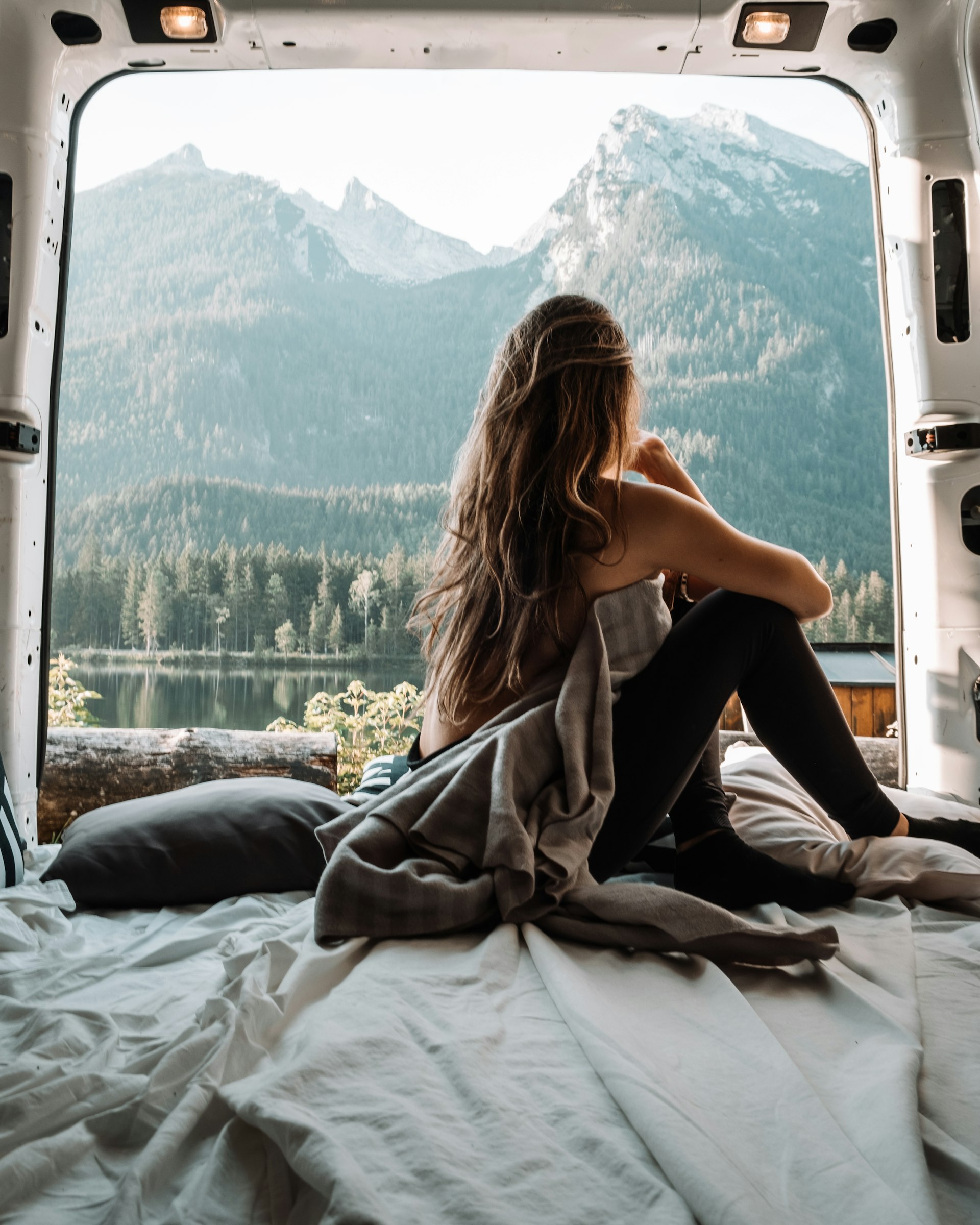
Unlike typical vacations that may involve packed itineraries and late nights, these retreats are designed to slow down the pace of life. They often feature structured daily schedules that align with circadian rhythms, including early mornings with gentle movement, midday quiet time, and evenings free from electronic devices. Many retreats are located in serene, natural settings-think mountain valleys, coastal cliffs, or forested estates-where the sounds of nature replace urban noise, and fresh air supports deeper relaxation. The staff at these retreats are trained to create a non-judgmental, supportive environment where participants can let go of the pressures of daily life and focus on their own well-being. This intentional design helps individuals shift out of their usual stress responses and into a state of calm that is conducive to restful sleep.
There are several types of retreats tailored to different needs. Nature-centric retreats emphasize immersion in the outdoors, with activities like guided forest walks, stargazing sessions, and outdoor yoga to help participants disconnect from digital distractions. For instance, a nature retreat in the Pacific Northwest might offer morning birdwatching sessions followed by a gentle hike through old-growth forests, allowing participants to soak in the quiet of the natural world. Mindfulness and meditation retreats incorporate practices like breathwork, guided visualization, and silent reflection to calm the mind and reduce racing thoughts that often keep people awake at night. A mindfulness retreat in Bali could include daily Vipassana meditation classes and herbal tea ceremonies in the evening, helping participants cultivate a sense of presence that translates to better sleep. For those with specific sleep-related health concerns, some retreats partner with sleep specialists to offer personalized assessments, gentle sleep hygiene workshops, and non-invasive treatments like sound therapy or aromatherapy.
While the primary focus may be on improving sleep quality, these retreats often deliver additional holistic benefits. Participants frequently report reduced levels of anxiety, improved mood, and a greater sense of clarity after their stay. The structured routines and supportive environments help individuals build healthy habits that they can carry back to their daily lives, such as setting consistent bedtime routines, limiting screen time before bed, and incorporating short mindfulness practices into their days. Many retreats also offer nutritional guidance, as diet plays a significant role in sleep quality-for example, avoiding heavy meals and caffeine in the evening, and incorporating sleep-friendly foods like chamomile tea, almonds, and tart cherries into daily meals. Some retreats even offer gentle physical therapies like massage or acupuncture, which can help release tension in the body and promote deeper relaxation.
When looking for a retreat that prioritizes rest, it’s important to consider your personal preferences and goals. If you thrive in natural settings, a retreat in a remote forest or coastal area may be ideal. If you’re looking for more structured support for sleep issues, seek out retreats that have partnerships with sleep health professionals. It’s also helpful to read reviews from past participants to get a sense of the retreat’s atmosphere and whether it aligns with your needs. Additionally, consider the length of the retreat-some people find that a 3-day getaway is enough to reset their sleep rhythms, while others may benefit from a longer 7-10 day stay to fully integrate new habits. Budget is another factor to consider, as retreats can vary widely in cost depending on location, amenities, and the level of personalized support offered.

One of the biggest challenges after a retreat is maintaining the healthy habits you’ve built. To ensure that the benefits of your getaway last, start small: pick one or two habits to focus on, such as setting a consistent bedtime or doing a 10-minute meditation before bed. Gradually add more habits as you become comfortable. It’s also helpful to create a sleep-friendly environment at home-keep your bedroom cool, dark, and quiet, and avoid using electronic devices in bed. If you find yourself slipping back into old patterns, don’t get discouraged; instead, revisit the practices you learned at the retreat and adjust your routine as needed. Many retreats offer follow-up resources, such as online workshops or community groups, to help participants stay on track with their sleep goals.
As research continues to uncover the links between sleep and overall health, more people are seeking out ways to improve their sleep quality. By exploring different approaches to rest and relaxation, individuals can find the strategies that work best for them and build a foundation for long-term well-being. Whether through a retreat or small daily changes, prioritizing sleep is an investment in physical, emotional, and mental health that pays off in countless ways. Those who take the time to prioritize their sleep often find that they have more energy, better focus, and a greater sense of joy in their daily lives.
MORE FROM getscholarships.net