
Wellness
How Daily Wearables Shape Personal Health Management in Modern Life

Deep within the digestive tract lies a vast, interconnected community of trillions of microorganisms, including bacteria, fungi, and viruses. This community, collectively known as the gut microbiome, is not just a passive resident of the body; it actively contributes to nearly every aspect of human health. From breaking down complex nutrients that the body cannot digest on its own to regulating immune responses and producing neurotransmitters that influence mood, the microbiome is a cornerstone of physical and mental well-being. The richness and variety of these microorganisms-referred to as diversity-are key indicators of a healthy microbiome, as a more diverse community is better equipped to adapt to changes and resist harmful invaders.
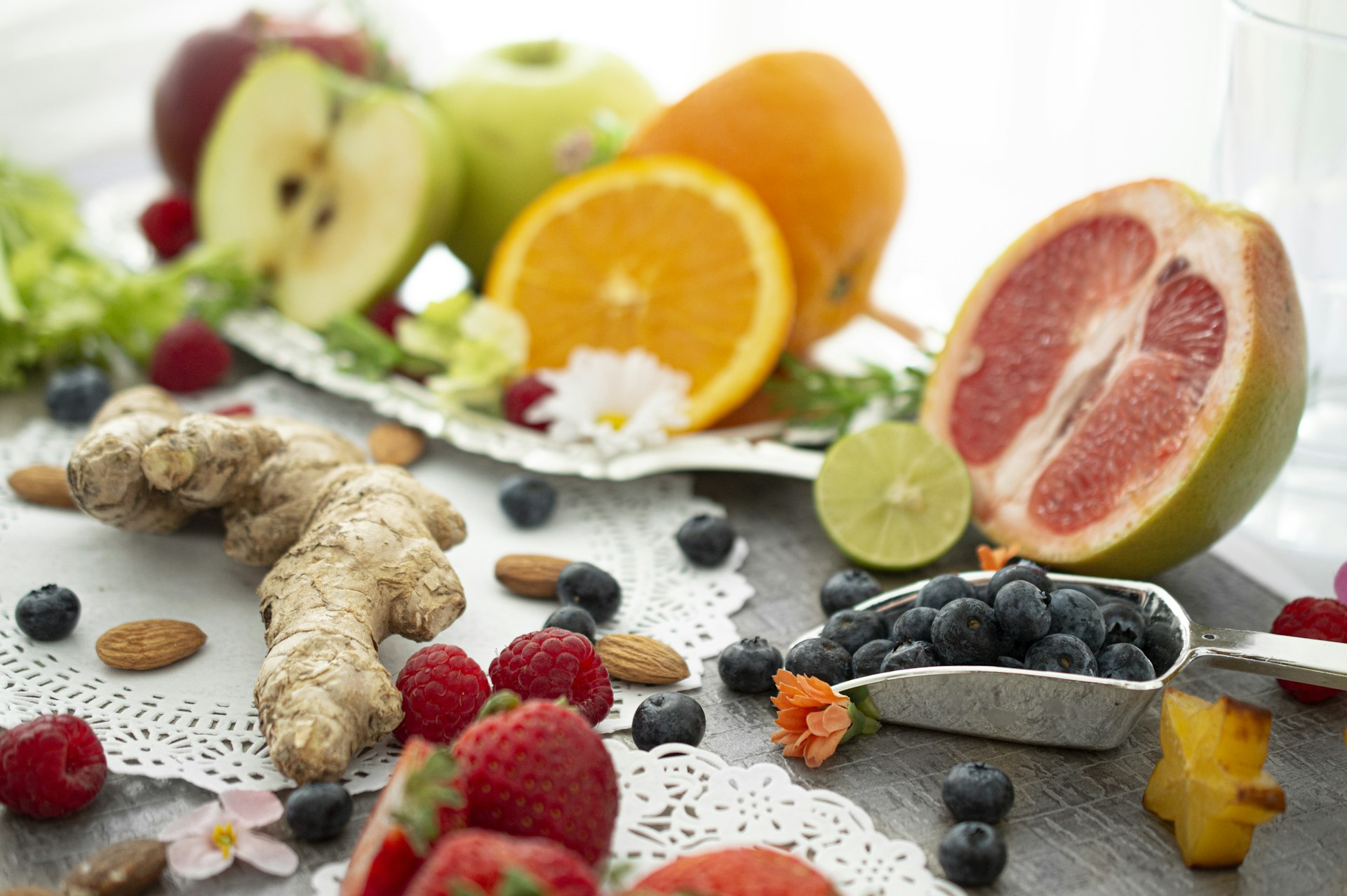
One of the most impactful ways to shape microbiome diversity is through diet. The foods we eat serve as the primary fuel for gut bacteria, and different strains thrive on different nutrients. A diet rich in whole, unprocessed foods-such as whole grains, legumes, fruits, vegetables, nuts, and seeds-provides a wide range of dietary fibers that act as prebiotics. Prebiotics are non-digestible compounds that feed beneficial bacteria, encouraging their growth and activity. For example, inulin, found in garlic, onions, and asparagus, supports the growth of Bifidobacterium, a strain known for its anti-inflammatory properties and ability to enhance nutrient absorption.
In contrast, diets high in processed foods, added sugars, and saturated fats can have a detrimental effect on microbiome diversity. These foods often lack the fiber needed to support beneficial bacteria and instead promote the growth of harmful strains that thrive on sugar and fat. Studies have shown that individuals who consume a diet heavy in processed foods have lower levels of beneficial bacteria like Lactobacillus and higher levels of pro-inflammatory species, which can increase the risk of chronic conditions such as obesity, type 2 diabetes, and inflammatory bowel disease (IBD). Fermented foods, on the other hand, are a valuable source of probiotics-live beneficial bacteria that can temporarily colonize the gut and boost diversity. Foods like yogurt, kimchi, sauerkraut, kefir, and miso introduce these live cultures, helping to restore balance to the microbiome and support overall gut health.
Regular physical activity is another key factor in maintaining a diverse microbiome. Research has demonstrated that exercise can increase the abundance of beneficial bacteria and reduce the number of harmful species. For example, a study published in the journal
Medicine & Science in Sports & Exercise
found that individuals who engaged in moderate-intensity exercise for six weeks had higher levels of Akkermansia muciniphila, a strain that helps maintain the integrity of the gut barrier and reduces inflammation. Exercise also increases the production of short-chain fatty acids (SCFAs), which are byproducts of bacterial fermentation of fiber. SCFAs provide energy to the cells lining the gut, reduce inflammation, and support immune function.
The type and intensity of exercise may also play a role in microbiome diversity. While moderate exercise like brisk walking, cycling, or swimming has been shown to have positive effects, extreme endurance exercise may have temporary negative impacts due to increased stress on the body. However, these effects are usually reversible with proper recovery and nutrition. Even small changes, such as taking a 30-minute walk each day, can make a noticeable difference in microbiome diversity over time.
The gut microbiome follows a diurnal rhythm, meaning its composition and activity change throughout the day in response to light-dark cycles and meal times. Disruptions to this rhythm, such as those caused by irregular sleep patterns or shift work, can alter the balance of the microbiome and lead to health issues. Studies have shown that individuals who get less than seven hours of sleep per night have lower levels of beneficial bacteria and higher levels of pro-inflammatory species. Sleep deprivation also increases cortisol levels, which can disrupt the gut barrier and allow harmful bacteria to enter the bloodstream, leading to systemic inflammation.
Maintaining a consistent sleep schedule-going to bed and waking up at the same time each day-helps to align the microbiome’s diurnal rhythm with the body’s natural clock. Creating a relaxing bedtime routine, avoiding screens before bed, and ensuring a comfortable sleep environment can all contribute to better sleep quality and, in turn, a more diverse microbiome.
The gut and brain are closely connected through the gut-brain axis, a bidirectional communication system that links the central nervous system to the enteric nervous system (the nervous system of the gut). Chronic stress can disrupt this axis, leading to changes in the microbiome composition and increased gut permeability (leaky gut). When the gut barrier is compromised, harmful bacteria and their byproducts can enter the bloodstream, triggering inflammation and immune responses that can affect both physical and mental health.
Practices that reduce stress, such as meditation, deep breathing exercises, mindfulness, yoga, and spending time in nature, can help to restore balance to the gut-brain axis and support microbiome diversity. These practices lower cortisol levels, reduce inflammation, and promote the growth of beneficial bacteria. Even short daily sessions of stress management-just 10 to 15 minutes-can have a positive impact on gut health over time.
Excessive alcohol consumption and tobacco use are two lifestyle factors that can significantly reduce microbiome diversity. Alcohol disrupts the gut barrier, leading to increased permeability and inflammation. It also reduces the number of beneficial bacteria and promotes the growth of harmful strains, such as Escherichia coli and Enterococcus. Chronic alcohol use has been linked to a higher risk of liver disease, IBD, and other gut-related disorders.
Tobacco smoke contains thousands of toxic chemicals that can damage the gut lining and alter the microbiome composition. Studies have shown that smokers have lower levels of beneficial bacteria like Bifidobacterium and Lactobacillus and higher levels of pro-inflammatory species. Quitting smoking and reducing alcohol consumption can help to restore microbiome diversity and improve overall gut health.
The microbiome is a dynamic ecosystem that responds to the choices we make each day. By prioritizing a diet rich in fiber and fermented foods, engaging in regular physical activity, getting enough sleep, managing stress, and avoiding harmful habits like excessive alcohol and tobacco use, we can support a diverse and balanced microbiome. While our understanding of the microbiome is still evolving, ongoing research continues to uncover new ways in which this hidden ecosystem influences our health. Exploring the latest studies and working with healthcare professionals to develop personalized lifestyle strategies can help us harness the power of the microbiome to support long-term health and vitality.

MORE FROM getscholarships.net