site-logo Site Logo

Wellness Time Off: A Modern Approach to Employee Well-being and Productivity

Article avatar image

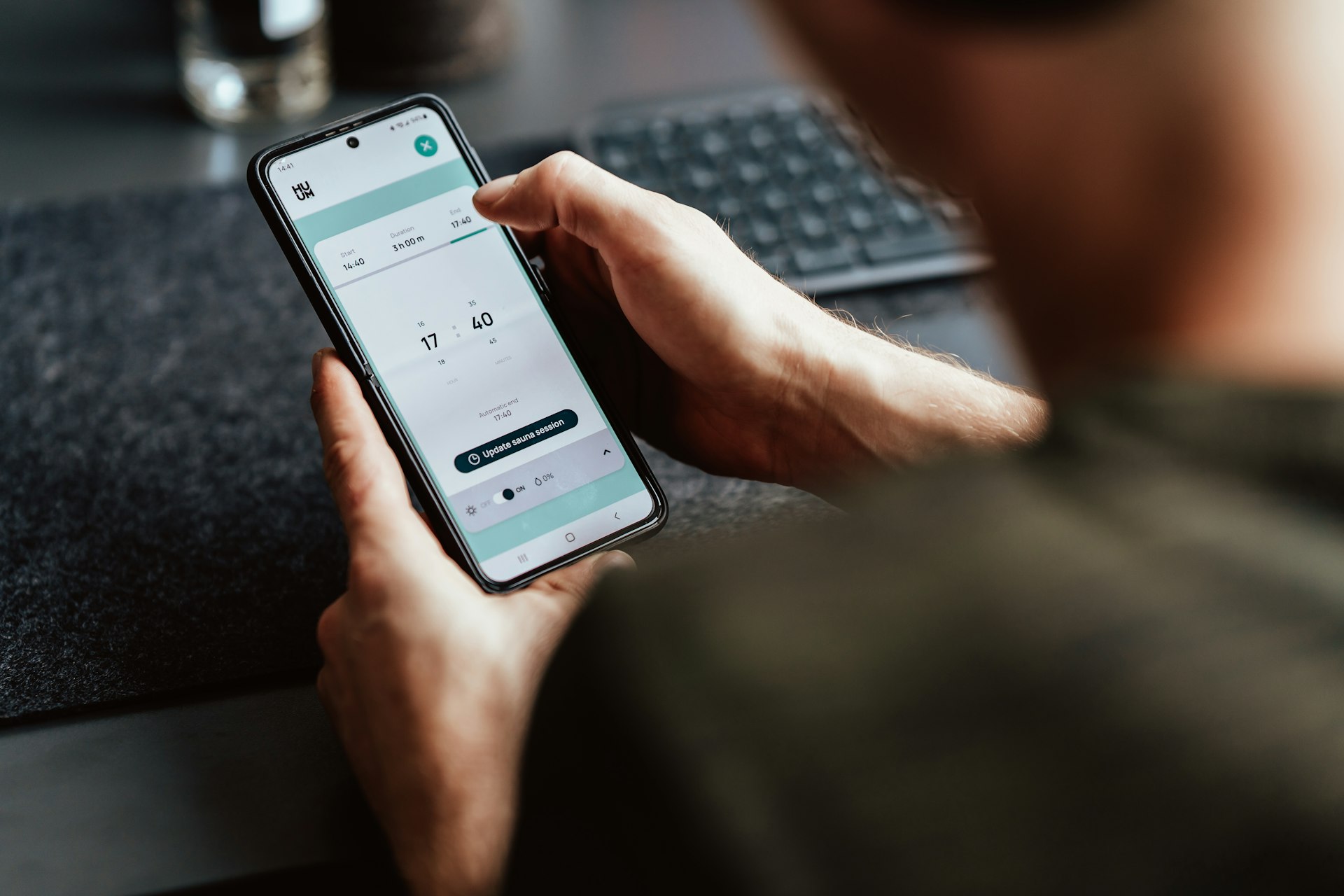
Photo by Frankie on Unsplash

Introduction to Wellness Time Off

In today’s fast-paced work environment, the importance of employee well-being has become impossible to ignore. Wellness time off -sometimes referred to as wellness leave or wellbeing days-represents a forward-thinking approach to supporting employees’ mental, physical, and emotional health. Unlike traditional sick leave, wellness time off is designed to be preventative, helping employees proactively manage stress and maintain overall wellness before burnout or illness occurs [3] . This policy is increasingly recognized as a critical component of competitive benefits packages, driving recruitment, retention, and productivity gains [1] .

What is Wellness Time Off?

Wellness time off refers to a structured, paid or unpaid leave policy that allows employees to take time away from work specifically to focus on their health and well-being. This could mean taking a day to recharge mentally, manage stress, attend a therapy session, exercise, or simply rest [3] . Unlike sick leave, which is used reactively when someone is already unwell, wellness time off is
proactive
, aiming to prevent illness and promote holistic wellness [2] .

Article related image

Photo by Solving Healthcare on Unsplash

Policy details vary: some organizations offer a set number of wellness days per year (often between two and five), while others allow employees to accrue additional paid time off (PTO) by participating in wellness initiatives. In all cases, the key is that the time off is explicitly intended for self-care, not just general vacation or traditional sick days [1] .

Benefits of Wellness Time Off

Implementing wellness time off can yield substantial benefits for both employees and employers:

  • Improved Mental Health: Regular breaks to focus on wellness help reduce stress, anxiety, and depression, leading to higher job satisfaction and emotional resilience. Studies show that employees who use wellness leave are less likely to experience burnout and more likely to report positive mental health outcomes [1] .
  • Increased Productivity: Employees who feel rested and valued are more focused, creative, and efficient. Research indicates that after taking wellness days, employees return to work with renewed energy and improved performance [2] .
  • Reduced Burnout and Absenteeism: By encouraging preventive self-care, organizations can decrease the number of sick days and long-term absences related to stress and overwork [3] .
  • Enhanced Recruitment and Retention: A wellness-focused culture makes companies more attractive to top talent, with employees 50% more likely to stay at organizations that prioritize well-being [1] .
  • Lower Healthcare Costs: Employers may see reduced healthcare spending due to fewer stress-related illnesses and improved overall employee health.

How Wellness Time Off Differs from Sick Leave

It’s important to distinguish wellness time off from traditional sick leave. Sick leave is typically reactive, used when an employee is already ill, injured, or attending medical appointments. It often requires medical certification, especially for extended absences. In contrast, wellness time off is generally shorter in duration (often a day or two at a time) and does not require proof of illness. Its goal is to prevent health problems before they escalate, supporting ongoing well-being [3] .

Implementing Wellness Time Off in Your Organization

For employers interested in launching or improving a wellness time off program, the following steps can help ensure success:

  1. Establish Clear Guidelines: Define what qualifies as wellness leave, how many days are available, and any limits on usage. For example, specify if activities like therapy, exercise, or meditation are eligible, and clarify whether days must be scheduled in advance [1] .
  2. Communicate the Policy Effectively: Make sure all employees understand the purpose and process for requesting wellness time off. Transparency ensures greater participation and reduces stigma.
  3. Integrate with Other Wellness Initiatives: Combine wellness time off with broader health programs, such as fitness challenges or mental health support, for maximum impact.
  4. Automate Tracking and Reporting: Use HR software or platforms that allow employees to request and track wellness leave seamlessly. This simplifies administration and encourages utilization.
  5. Encourage a Supportive Culture: Leadership should model healthy behavior by taking wellness time off themselves and encouraging their teams to do the same.

Example: A mid-sized tech company implements a policy granting employees up to three wellness days per year, to be used for any activity that supports their mental or physical health. They track usage via their HR portal and send quarterly reminders encouraging staff to prioritize self-care. After six months, employee surveys show a marked increase in satisfaction and a reduction in short-term sick leave.

How to Access Wellness Time Off

If your employer offers wellness time off, you can typically request it through the standard HR or time-off request system. Check your employee handbook or speak with your HR department to clarify:

  • How many days you are eligible for
  • What types of activities are supported
  • Whether advance notice is required
  • Any documentation or forms you need to submit

If your organization does not yet offer wellness time off, consider raising the topic with your HR or leadership team. Point to the growing body of research supporting the benefits of wellness leave and share examples of policies from similar organizations [3] .

Potential Challenges and Solutions

While wellness time off offers clear benefits, it can also present challenges:

  • Workplace Culture: In environments where overwork is normalized, employees may feel guilty or hesitant to take wellness leave. Solution: Leadership should actively endorse and model policy use.
  • Policy Abuse: Some worry about misuse of wellness days. Solution: Set clear guidelines and monitor usage patterns for fairness, but focus on trust and support rather than excessive policing.
  • Operational Impact: In lean teams, absences can disrupt workflow. Solution: Encourage advance notice and cross-training to minimize disruption.

Alternative Approaches and Additional Resources

If wellness time off is not feasible, organizations can consider alternatives such as flexible scheduling, remote work options, or expanded mental health benefits. Employees should also explore community resources, employee assistance programs (EAPs), or mental health hotlines for additional support.

Key Takeaways

Wellness time off is a proactive, preventative benefit that supports employee health, reduces burnout, and improves organizational outcomes. Access depends on your employer’s policies, but employees can advocate for these benefits and seek out employers who prioritize well-being. By fostering a culture of self-care and providing structured opportunities to recharge, companies help their teams thrive in today’s demanding work world.

References

Navigating Midlife Transitions: Practical Insights for Physical and Emotional Well-Being
Cultivating Lasting Strength: Nurturing Physical and Mental Resilience in Daily Life
How Daily Lifestyle Adjustments Can Reduce Metabolic Syndrome Risk
Nurturing Skin Health Through Holistic Lifestyle Medicine Practices
Small, Steady Steps: Building Lasting Health Through Tiny Daily Actions
How Digital Tools Shape Sustainable Healthy Habits Over Time
Understanding the Multifaceted Health Advantages of Resistance Training for Women
Building Thriving Neighborhoods: How Local Efforts Shape Collective Well-Being
How Maintaining Steady Electrolyte Levels Supports Everyday Vitality
Navigating Plant-Based Eating for Sustained Long-Term Well-Being
Navigating Chronic Wellness: The Interplay Between Mental and Physical States
Navigating Workplace Exhaustion: Practical Steps to Reclaim Balance and Well-Being